
Somewhere Along the Way
On Return, Reverence, and the Work of Finding Home

The Great Western Cattle Trail
32°05'20.0"N 100°42'42.1"W
Along TX-208
Between Colorado City and Robert Lee
Editor’s Note: This article includes references to homelessness, family trauma, and suicide.
Hello Neighbors,
Today marks another day of driving, dropping in, and drifting through the folds leading into the Texas Hill Country and my past. The land shifts slowly, and with intention on this wild, rugged landscape. Moving South, I meditate on how time tends to loop back on itself.
Decades ago, I followed this same corridor in the opposite direction, heading north toward a different life and a new version of me. At forty-two, I trace The Great Western Cattle Trail in reverse across my own history, familiarly foreign as it's always felt, each mile bringing me closer to what I left—a yearning to search for a better way.
Time Is Not a Line
Contemporary physics suggests time is less a line than a landscape. Einstein described past, present, and future as coexisting in a “block universe,” and many Indigenous and Sufi traditions echo this in their own ways: time as a spiral, layered, always folding back. Sometimes it feels like the moment isn’t returning — it’s waiting.
“We are the ones the past is waiting for.”
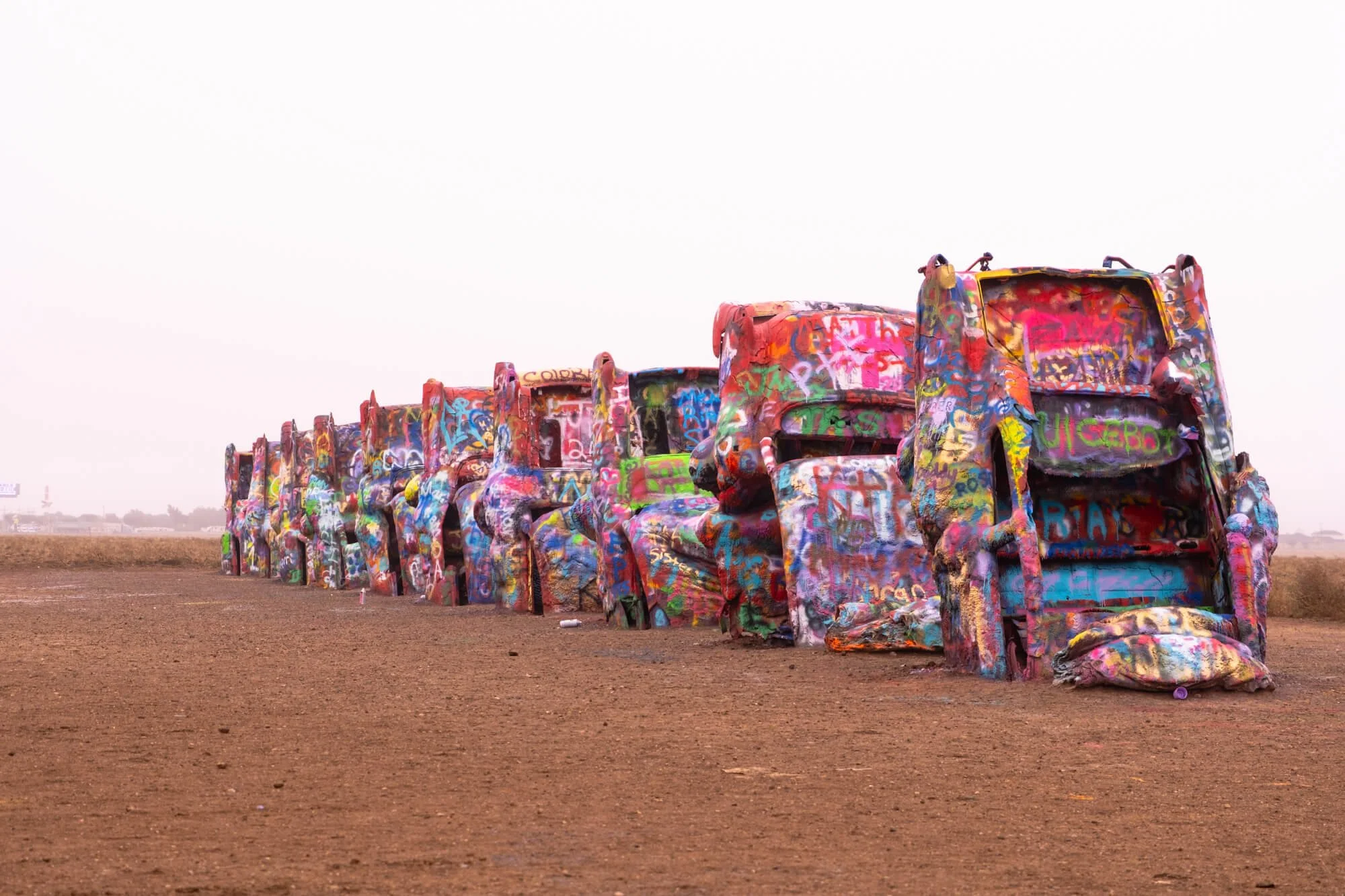
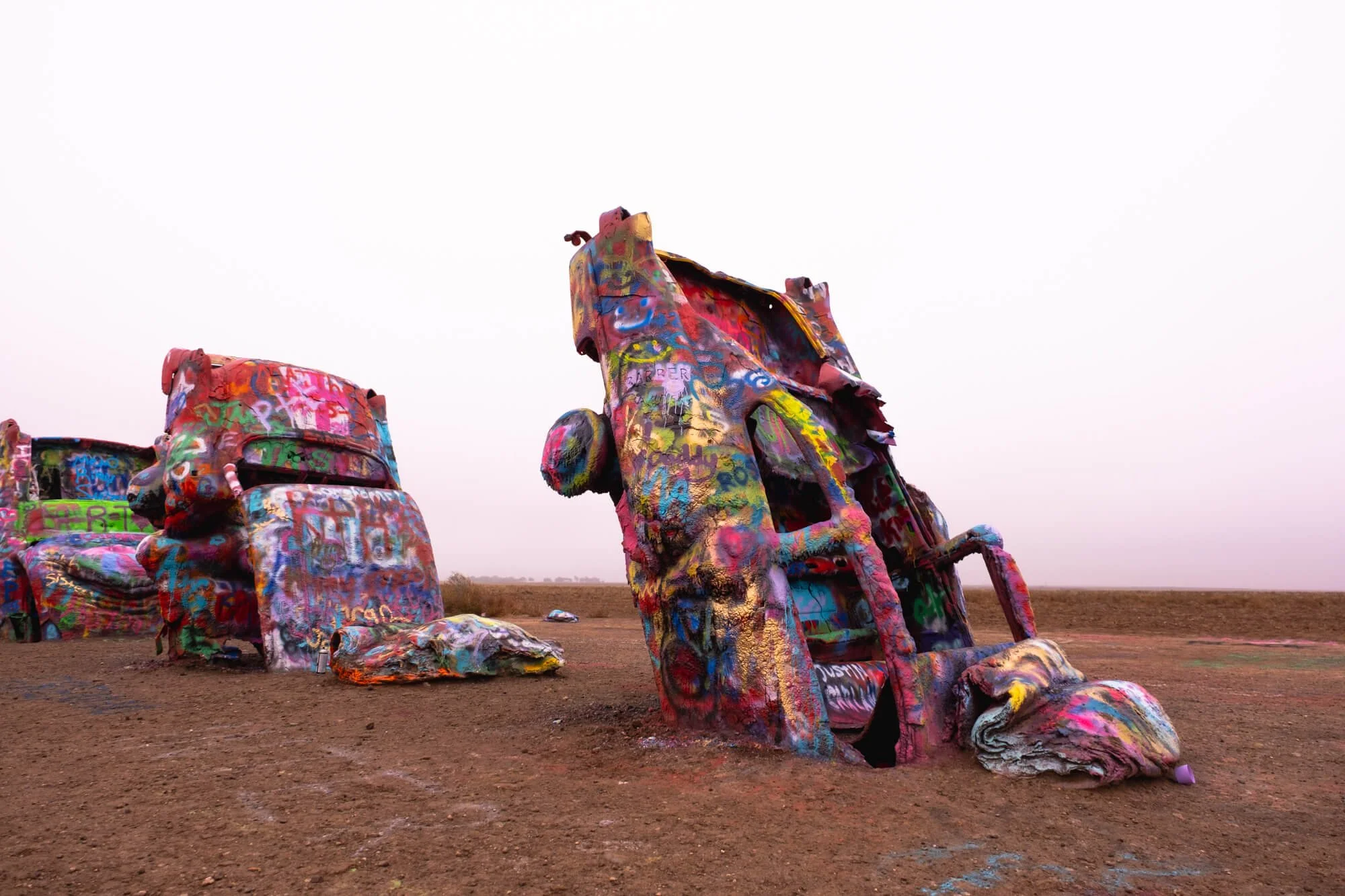
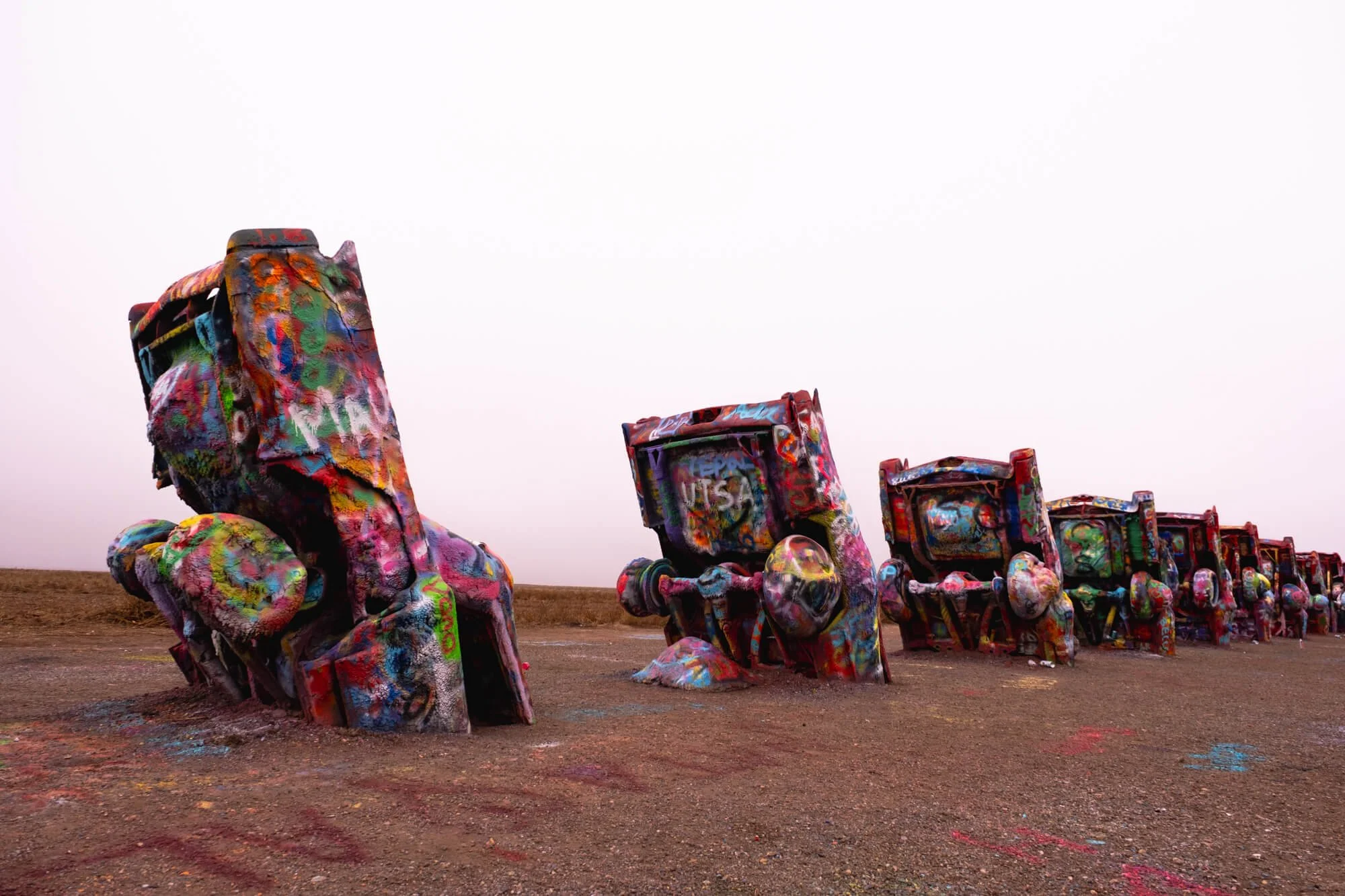
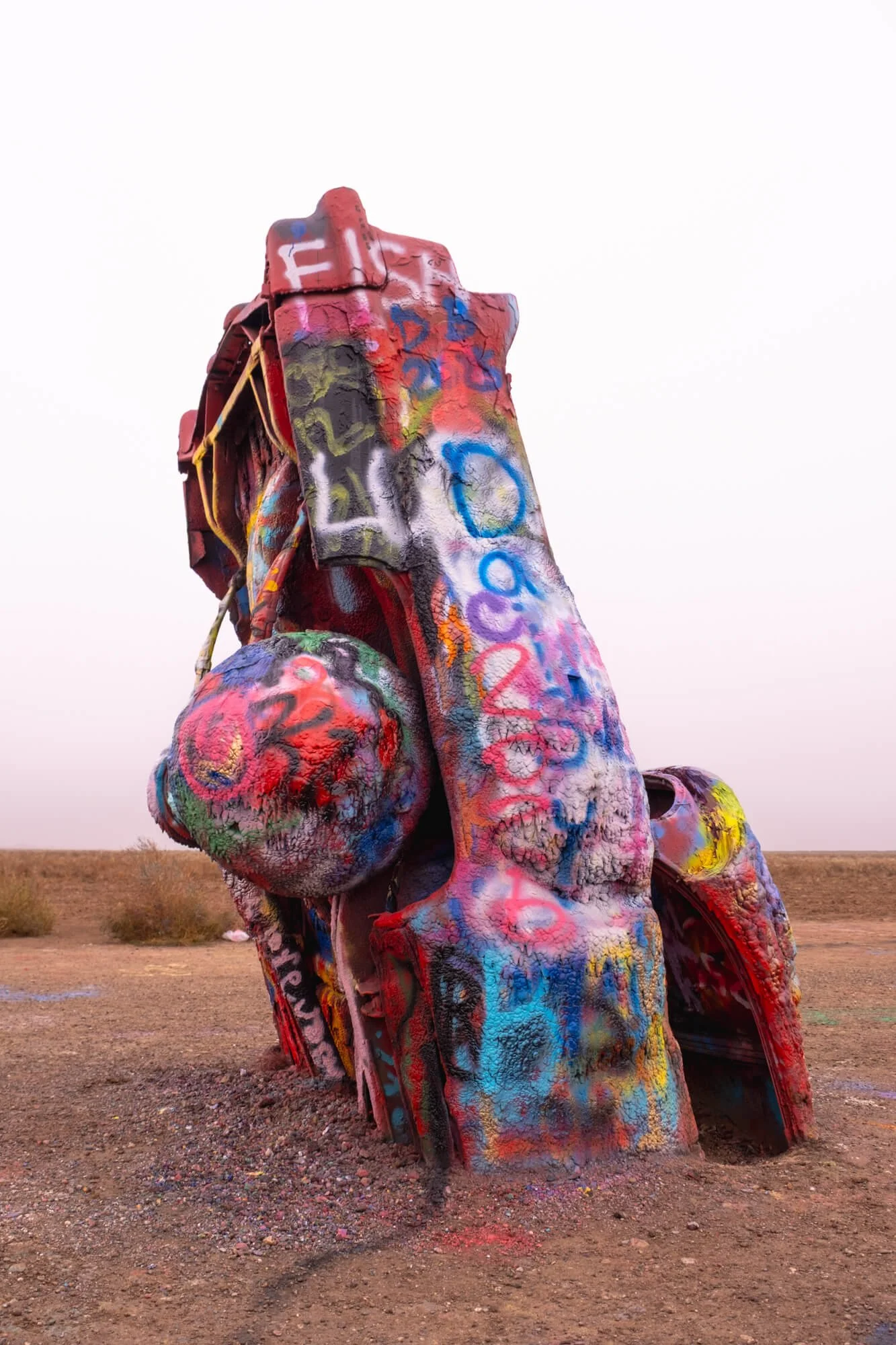
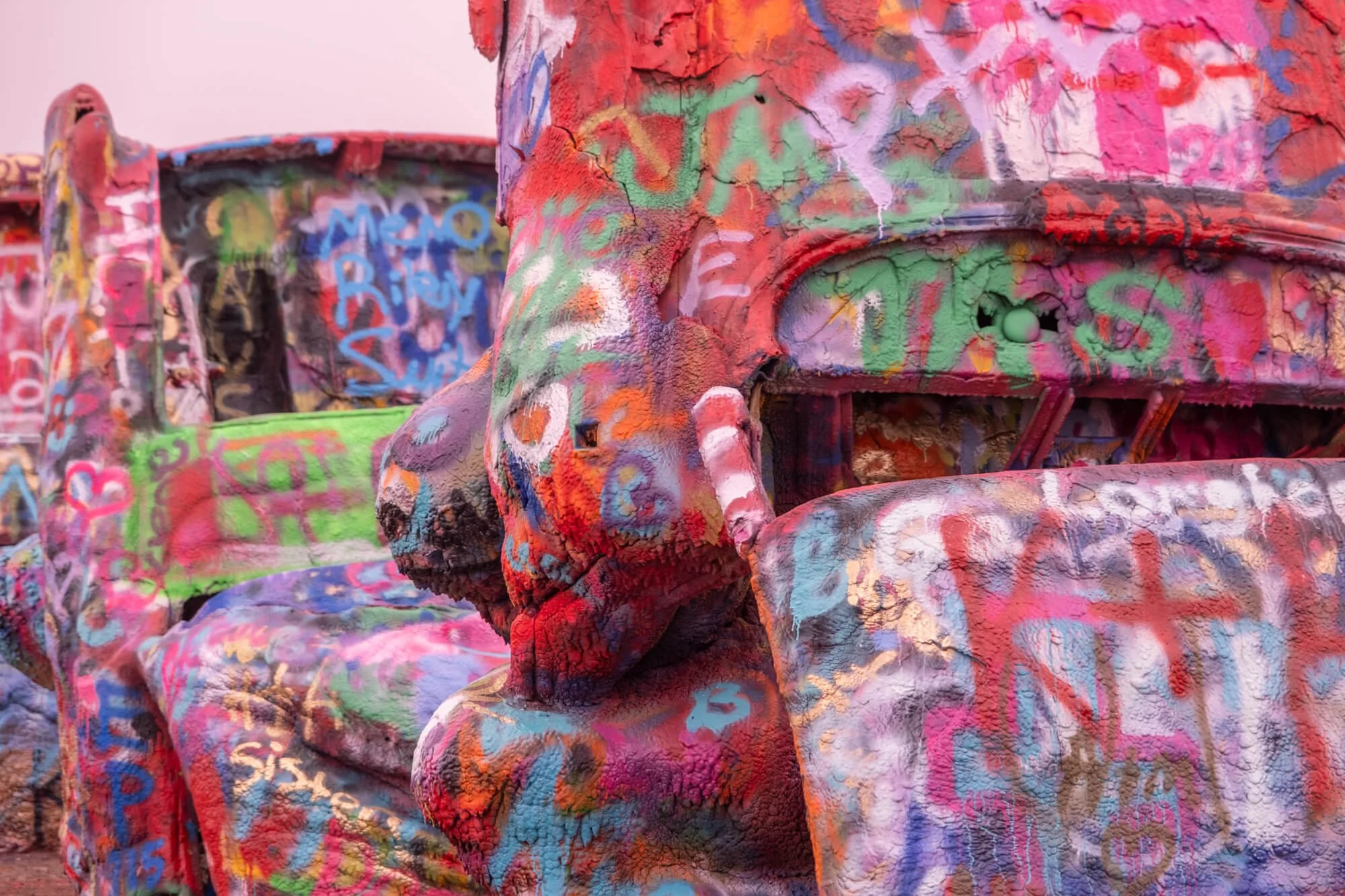
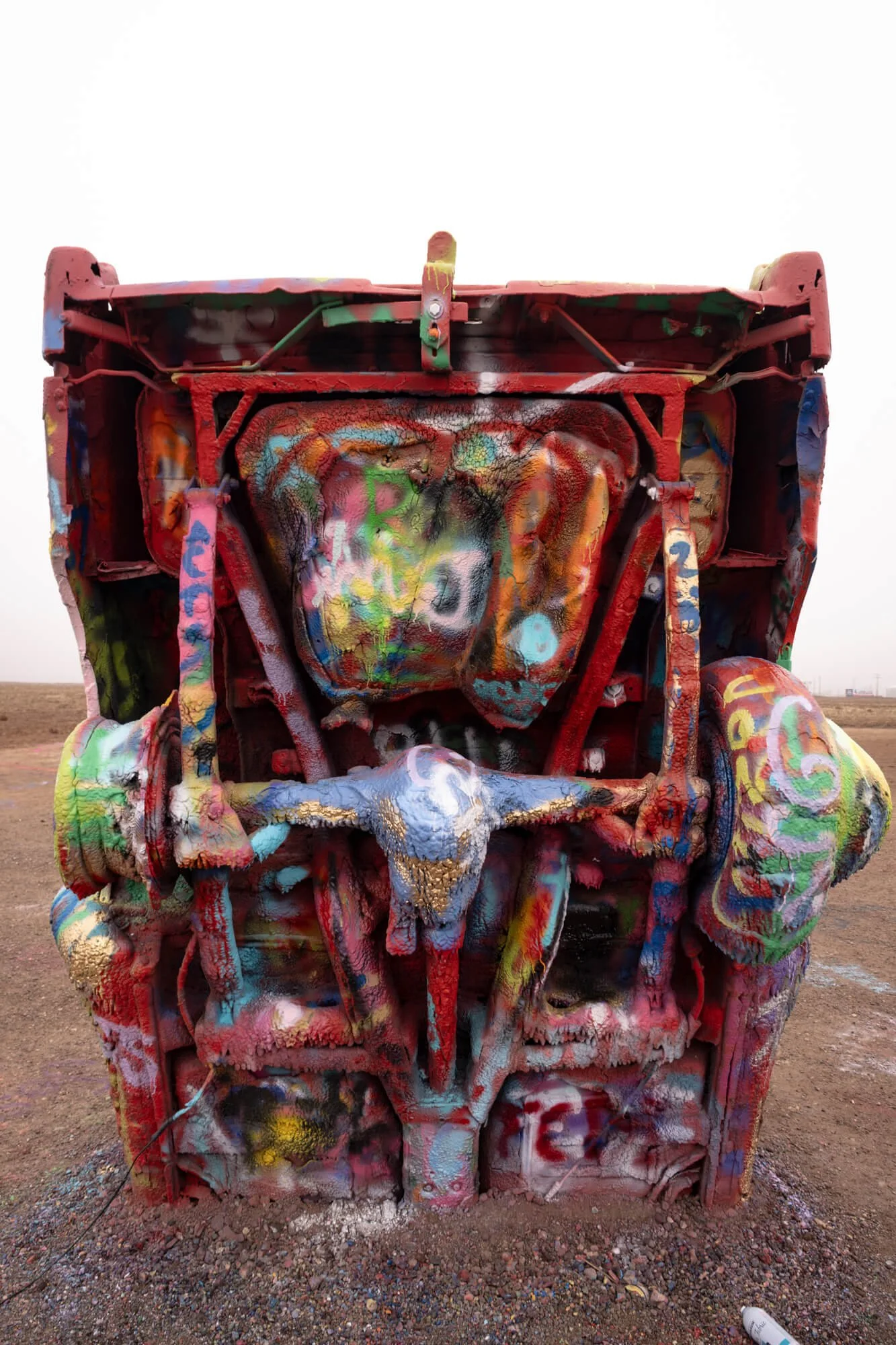
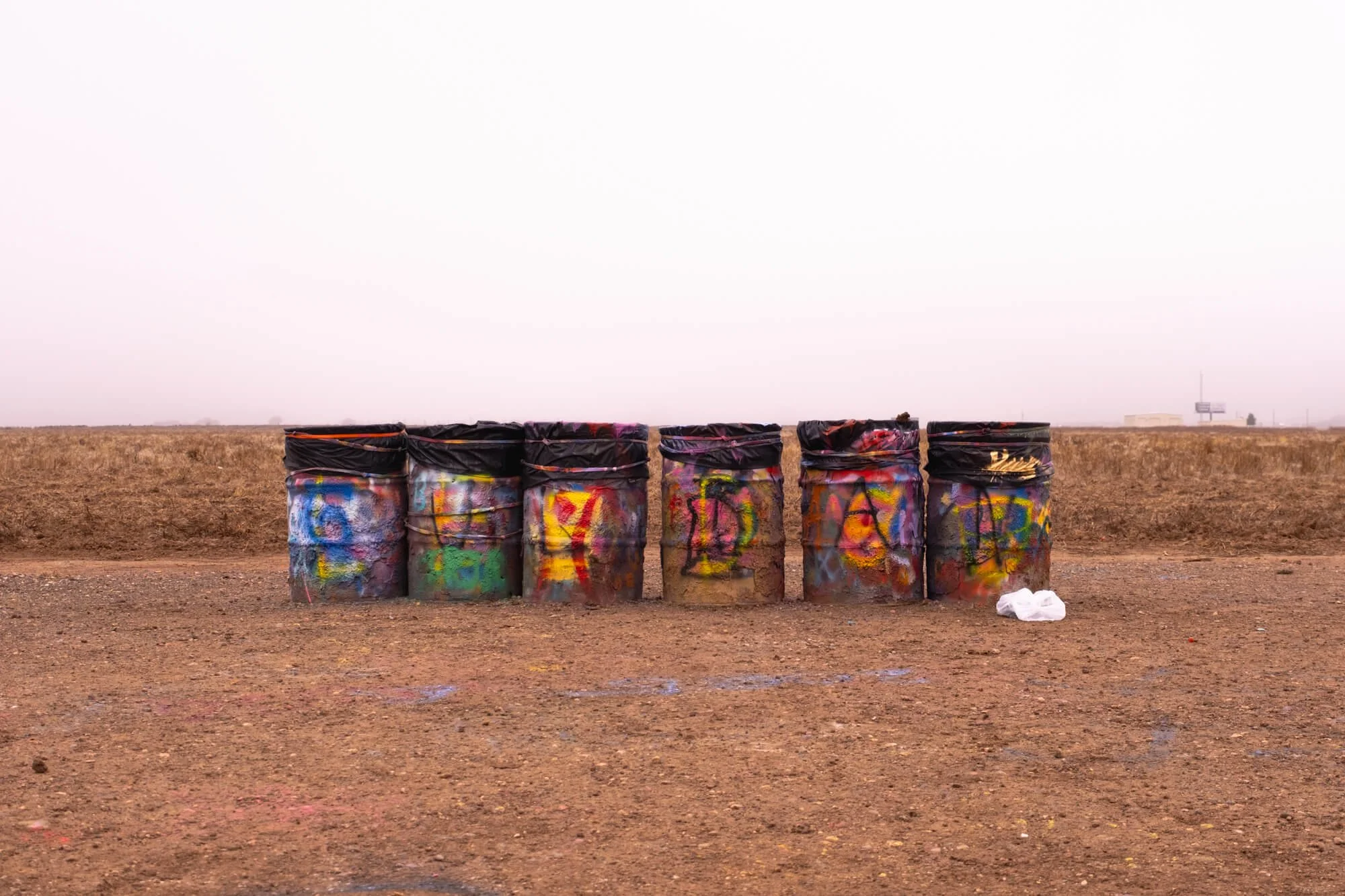
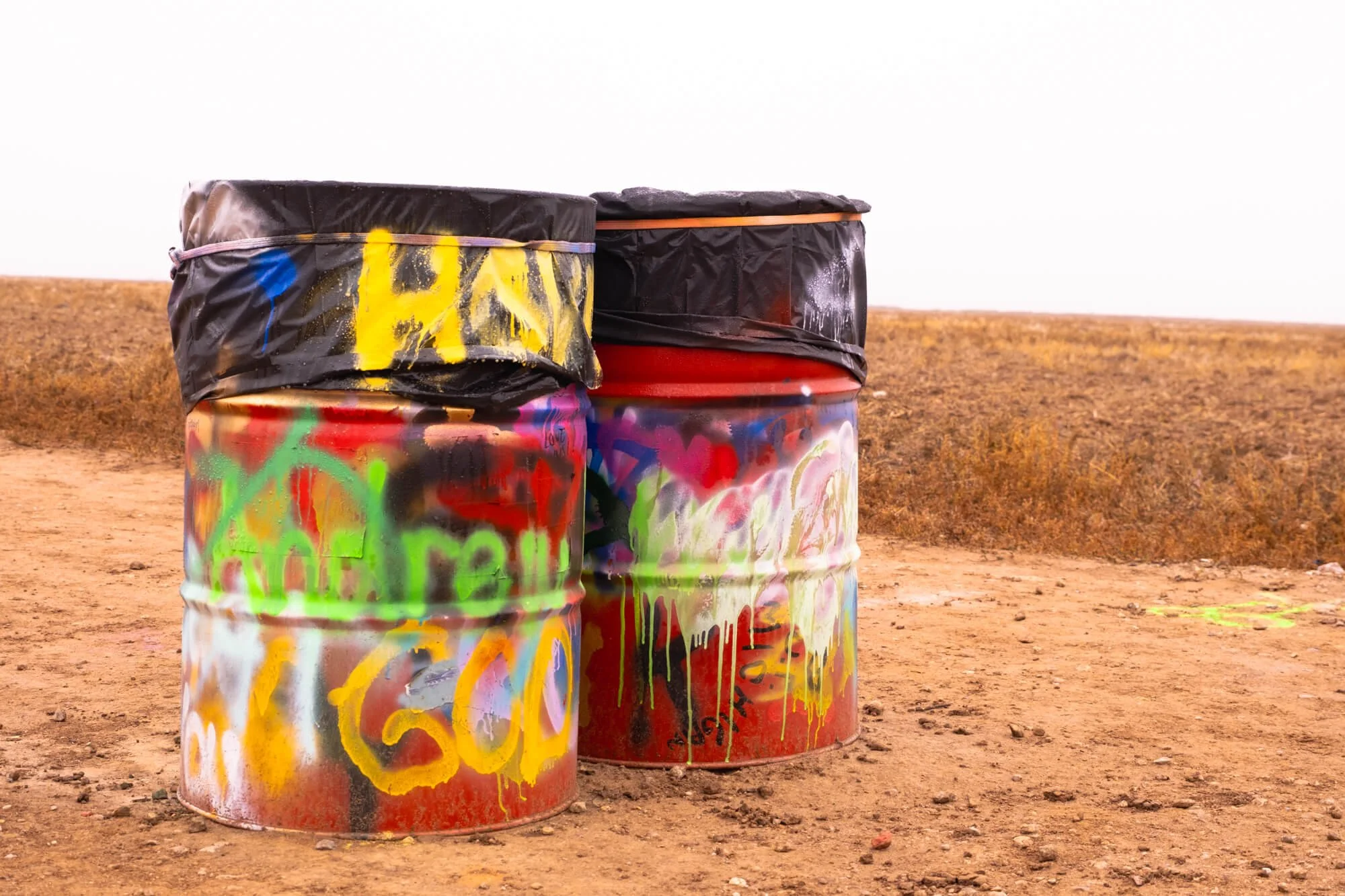
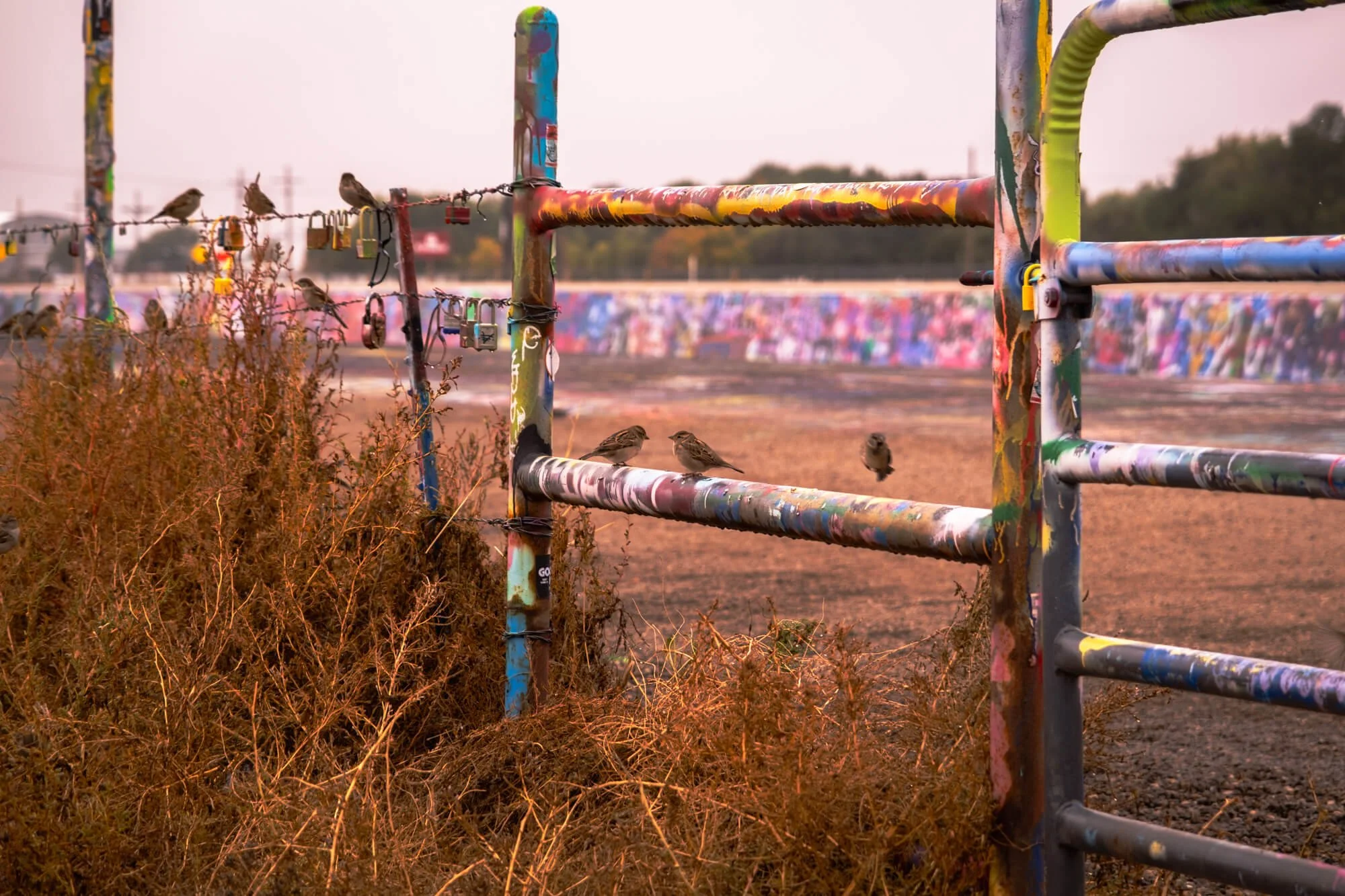
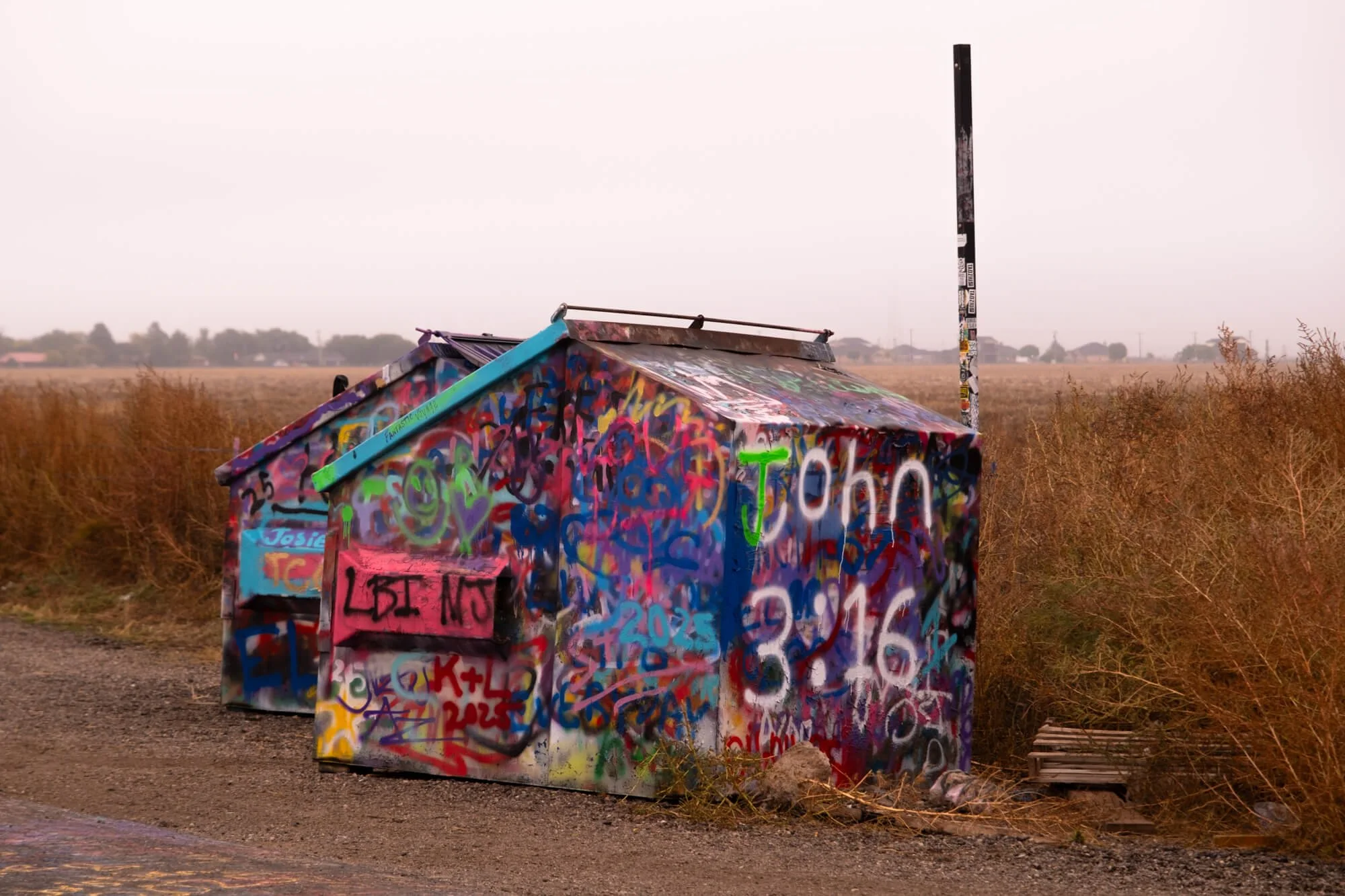
Cadillac Ranch
Amarillo, TX
Watching the stretch of road, windmills along the Llano uplift pass into my rearview mirror. I traverse TX 208, taking a quick night’s rest in San Angelo—The Oasis of West Texas—before making my final dip into the heart of Central Texas. Expansive views give way to live oaks and mountain cedar which have run amok from poor land management and monocrop farming. Flat sky turns to limestone cuts and low water crossings.
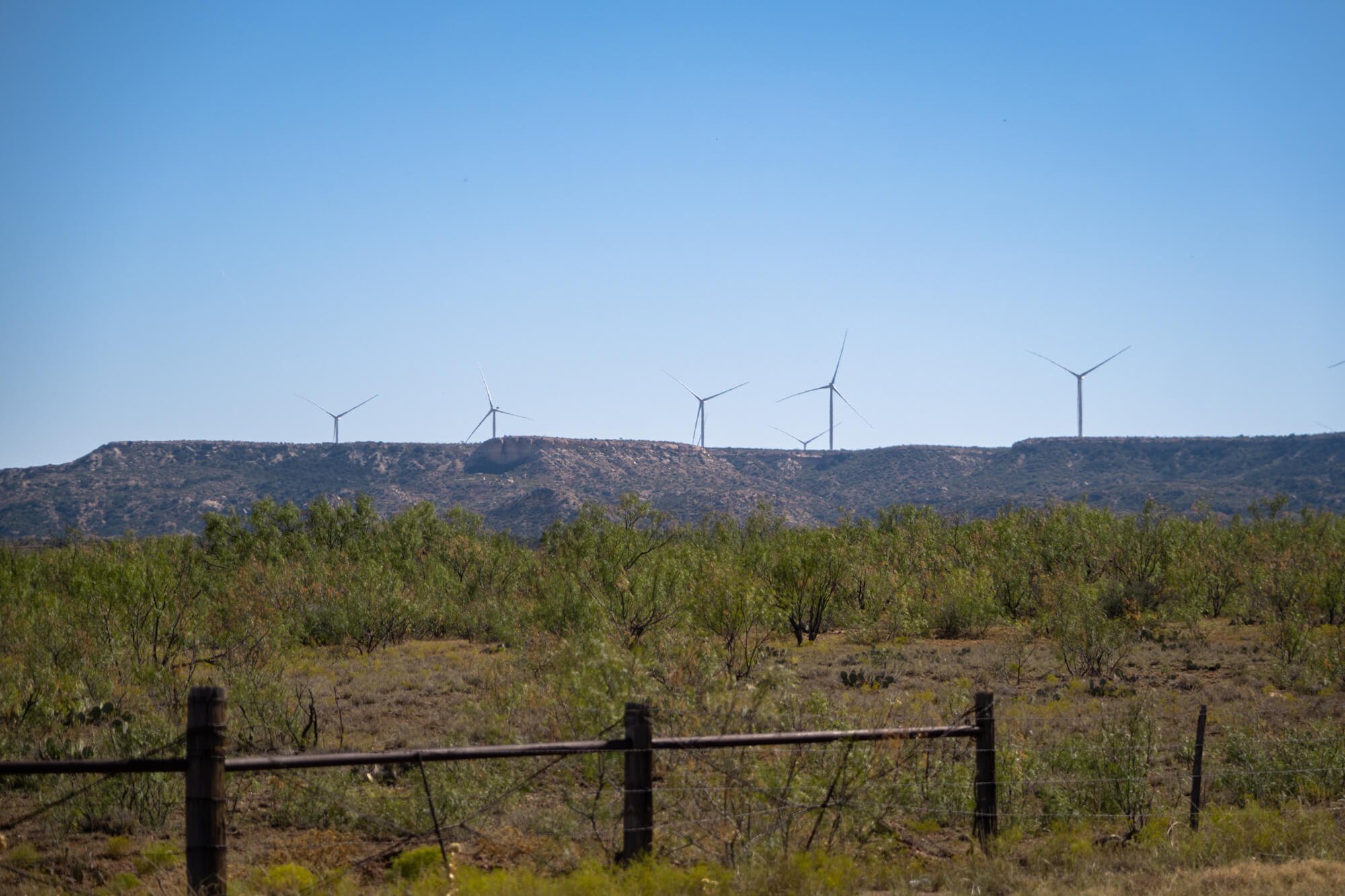
West Texas windmills along the Caprock Escarpment
And somewhere along the way, a quiet recognition rises, a missing piece in the larger puzzle of my life, a sense of home stirring for the first time since I buried my father in this land almost 20 years ago to the day. And in that tension—a story about place, memory, and the long roads that shape who we become.
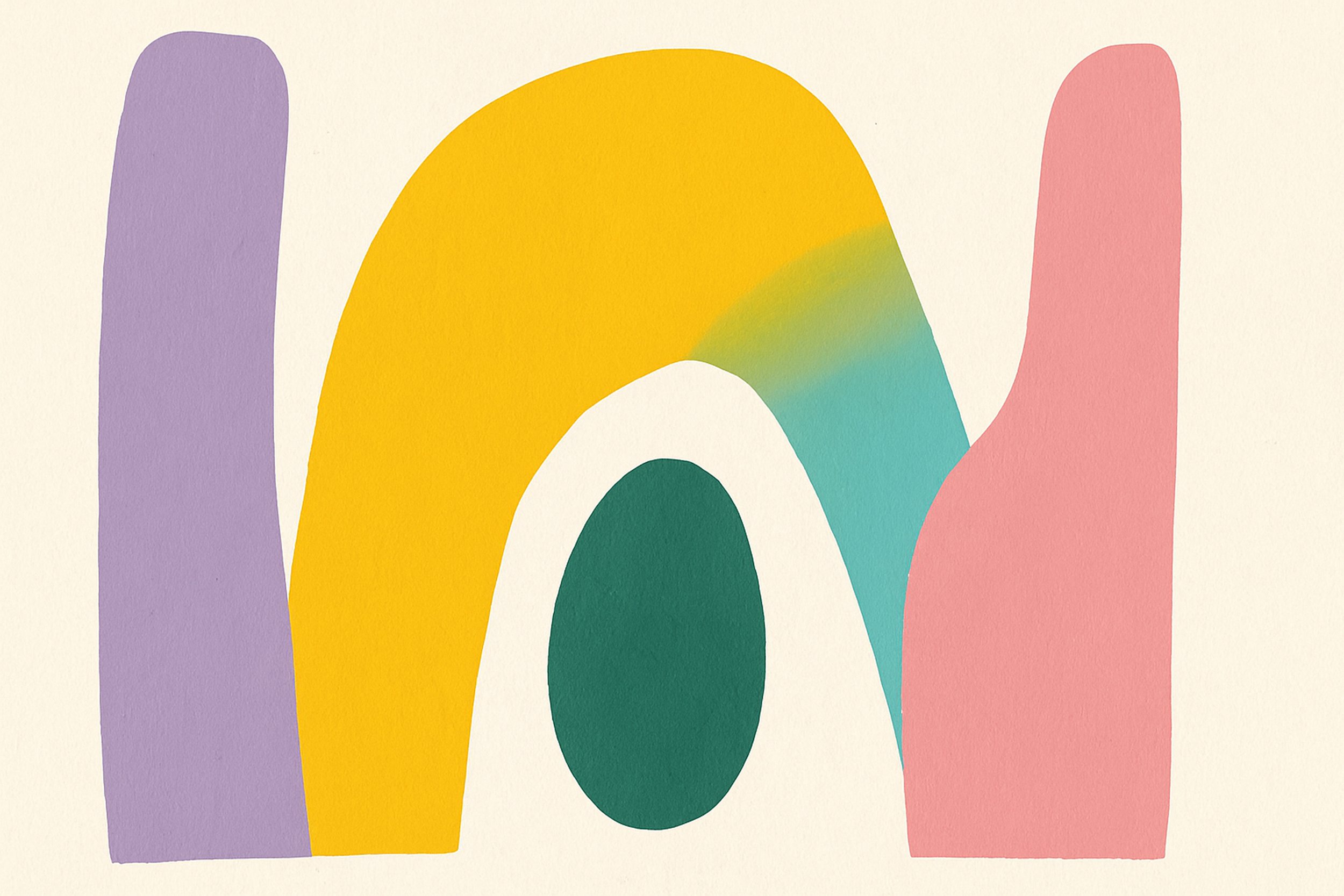
Stone, Branch, and the Shape of Neverland
In the last semester of my senior year, my father knocked on my bedroom door after a late night of tennis practice. I was co-captain of my team, dedicated to my craft, arriving home each school night around nine-thirty. He stood in the doorway sullen and teary-eyed and told me we were being evicted. When I asked how much time we had to get things in order, he lowered his head and whispered, trembling, “in the morning”. I closed my door to catch my breath. After a couple of years away, my mother would not return for a few more months after the dust had settled and the wounds turned to scars.
She had tasked herself with getting us out of poverty five years earlier, selling doll dresses to neighbors before running a kiosk in the mall that eventually turned into a bridal store. For a brief but spectacular moment, her fashion brand supplied members of the UK royal family and Harrods of London. But by Spring of 2001, the flame of entrepreneurship had moved through the stages of stardom, from nebula to main sequence to supergiant, finally collapsing under the weight of missteps and mental health challenges.
My homelessness that spring was spent couch surfing and sleeping on the beach with friends. Large parts of my story from that time are marked with divots in the ground. I separated from my family at seventeen, and went no contact thirteen years ago. While hesitant to return, I always knew the time would come. I know now that time tends to loop back on itself.
The road south from Amarillo runs long and open, crossing the Caprock Escarpment, a prominent, cliff-like landform that marks the eastern edge of the Llanao Estacado (or “Stalked Plains) where West Texas begins to loosen. Morning light rises through modern turbines, each blade turning in a slow, stochastic benediction over the horizon. I drove through the vastness and felt my shoulders drop a little with each mile. There is something ceremonial about an open sky. It reminds me that I am a tiny speck of sand inside an infinite stretch of space. Remembering my place in the universe softens the urgency of my problems. All I need to do is breathe and take care of myself.
As the land shifts into its first soft hills, a feeling rises off the gas pedal, through the seven tarsals, five metatarsals, and fourteen phalanges of my foot before wrapping around my fibula and sliding up my tibia, gripping my patella and shooting up my femur, brushing the sciatic nerve before registering in my cerebrum. My body knows this place before my mind catches up. The curve of the road. The color of the stone. The gnarl of twisted branches and scrub. The way the air thins and clears. It is the first time since leaving Chicago that I feel a clean, uncomplicated “yes” in my chest. Not to the situation I am driving toward, but to the land itself.
The last time I was here, a faultline opened my heart and tore through everything I knew. It was a wide wound that spanned many years. Time, distance, and the fading memory of a childhood I fled finally brought me to a place inside myself that feels ready. Today I want to meet more than the pain. I am grateful for the life I have lived—the adventures made, the people I’ve met, and the skills I have earned. Hesitant but hopeful, I return to the beginning of my story where family dysfunction and the people I love most comingle.
The Road Goes on Forever
Walking into my family’s world again felt like stepping into a house that had been sealed and then suddenly aired out. Everything familiar, everything slightly off. Old patterns waiting where I left them. Old roles ready to be rehearsed. Many memories mounted atop new wounds: missed birthdays, poor health outcomes, drug addictions, prison sentences, suicide attempts (and completions), nieces and nephews I’d never met, funerals I didn’t attend. Many, many funerals. A rift in the fabric of spacetime racing toward its most recent point of inflection in my soul. A reminder that there was a time when I also tried to end my life. I stepped out of this nuclear family over a decade ago. Stepping back in confirmed why leaving saved my life.
I had wanted this return to be about reconciliation, repair, and restoration. Long conversations, soft apologies, a sense that time had healed. In many ways, it has, but I also ran up against the limits of what is possible when people are not ready or able to look at their own stories. Acceptance is difficult when you are stubborn. But there is a quiet kind of dignity in telling the truth about what cannot be forced. I am grateful for the love I can hold for people who hurt me, for understanding that my absence didn’t make their lives any easier, for seeing that their lived experiences are their own, and for learning to walk forward without carrying what was never mine to hold. The holidays bring all of this into sharper focus. The rituals, the expectations, the empty chairs. The familiar familial threats of violence and arrested development. I am grateful for this time with them, as difficult as it's been. I feel fortunate that a better man returned. By year’s end, I’ll depart West again. The road goes on forever.
Sufis use the term tariqa (Arabic for "path" or "way") to refer to the specific, individual spiritual path or order a seeker (murid) follows in their journey toward Haqiqa (ultimate truth) and union with the Divine. The understanding that one's personal journey is unique is central to Sufi thought, encapsulated in the widely recognized Sufi proverb:
“There are as many paths to God as there are souls on earth.”

The Sacred Heart Wormhole of Hueco Springs Rd
One afternoon, my mom, younger brother, and I drove out to her “friend’s” ranch. Even before we pulled in, I felt a strange familiarity. The shape of the road. The old stone wall surrounding the property. The way the trees opened up near the house. The gated entrance. The sandblasted french doors on an adjacent building sitting diagonal from the main house. I could not place it, but my body leaned forward, recognizing something my memory had misplaced.
We toured the rooms of the hacienda with its beautiful ochre, barrel-tiled roofs. I answered questions about my life and design practice in the sitting room off the library, discussed the architectural details, the art on the walls, the sculptures and intricately detailed custom furnishings. We hopped aboard a golf cart and ran through the grounds of the property; vintage Jaguars and Rolls-Royces in a hanger where I met a mechanic restoring their original beauty, a pool overlooking a vista of the city from afar, cactus and shrub brush whizzing by as Judy and I clutched each other for safety while scrambling over the harsh, rocky terrain. We waved hello to the cows before visiting the last building. The owner began describing the sandblasted french doors I noticed on my way in. As he opened them, Charlie Brown’s teacher mumbled in my ear. The world went quiet.
For a brief moment, I was nineteen again. My father was still alive. I walked beside my aunt up the stone steps into a small, private chapel built for cloistered monks in the high hill country of Central Texas. As I scanned the room, I confirmed the one-piece wooden altar carved from a felled tree on the property was still there, and something clicked. I had been here before! Not with my mother, but with my aunt more than twenty years earlier. During the last year of my father’s life, my mom put him up in her house to live out his final weeks in hospice. My aunt and I grew close. We talked about matters of the heart and contemplative practice. She invited me to a private Mass held by the early community of the Mission of Divine Mercy, when they were still living on borrowed land, their chapel more intention than building. Standing there, I felt tears rise as I remembered what I had missed: my aunt’s funeral, and a chance to say goodbye.
None of us had put this together until that moment. My mom didn’t know of my talks with my aunt. She and her sister met the owner of the ranch along their own paths, many years apart. Standing there in shock, I murmured, “I’ve been here.” It was surreal, like time had folded in on itself and lined up two versions of me on the same patch of dirt, under the same Texas sun. The younger one reaching for the Infinite. The current one deciphering what “home” even means.
It made me wonder how many places remember us long after we forget them. How often we circle back to the same ground without knowing why. And how life seems to emerge in many more dimensions than my tiny human brain will ever comprehend.
The Body Remembers First
Neuroscience shows the body recognizes home long before the intellect catches up. The vagus nerve, the limbic system, the heart — they register truth before language forms. Sufis have known this for centuries: the heart knows before the tongue understands.

Los Colores de Mi Casa
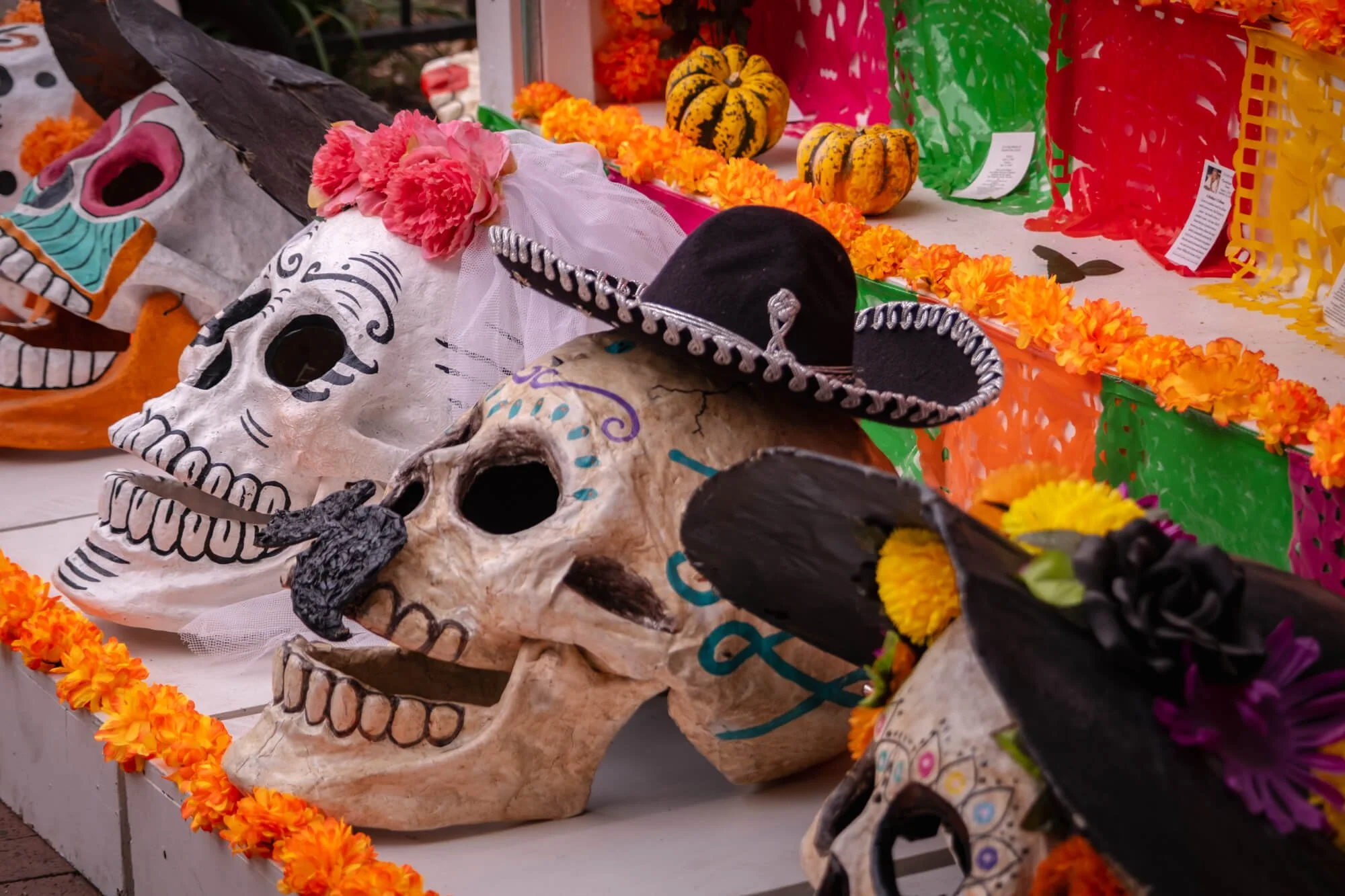
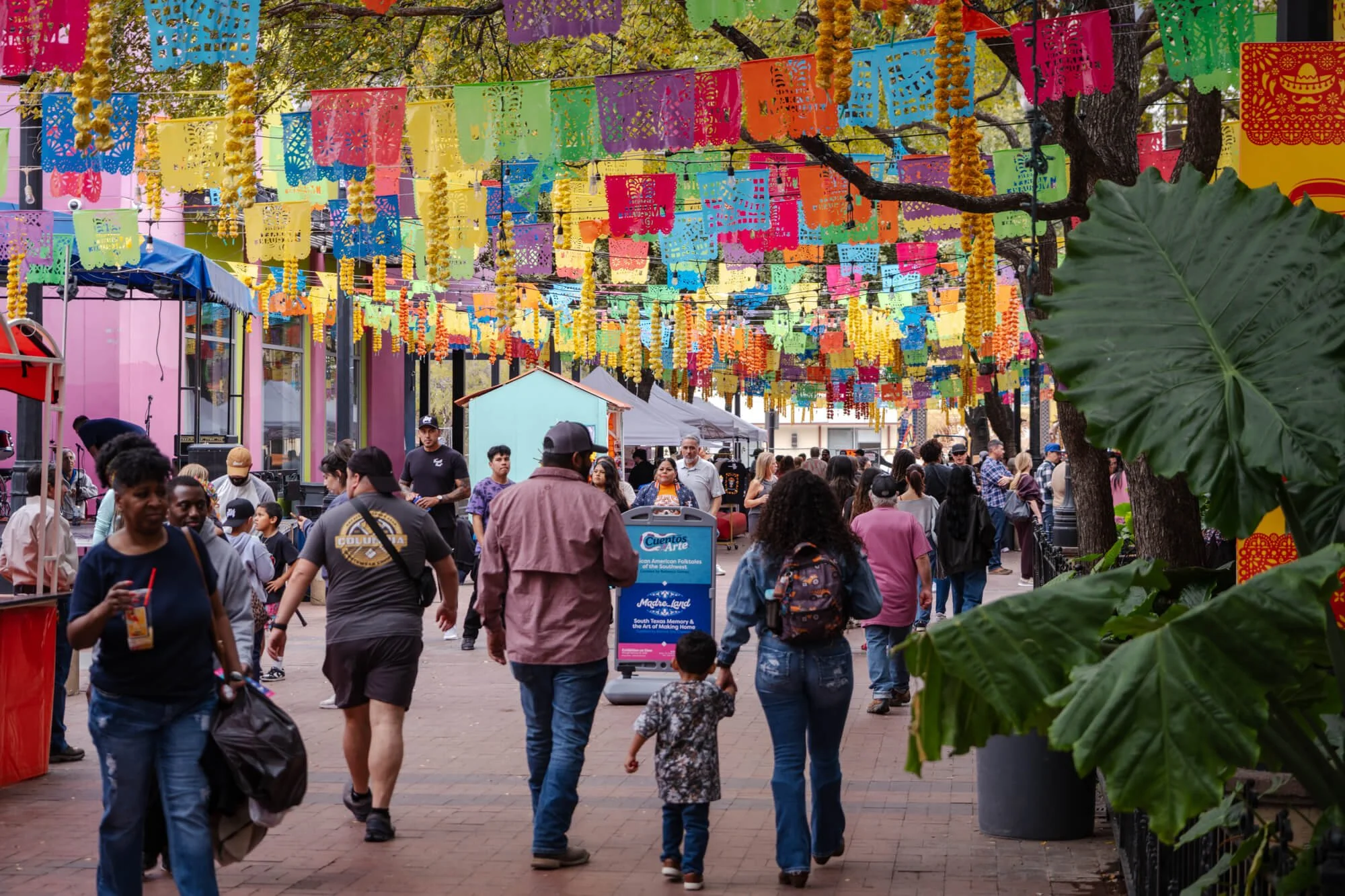
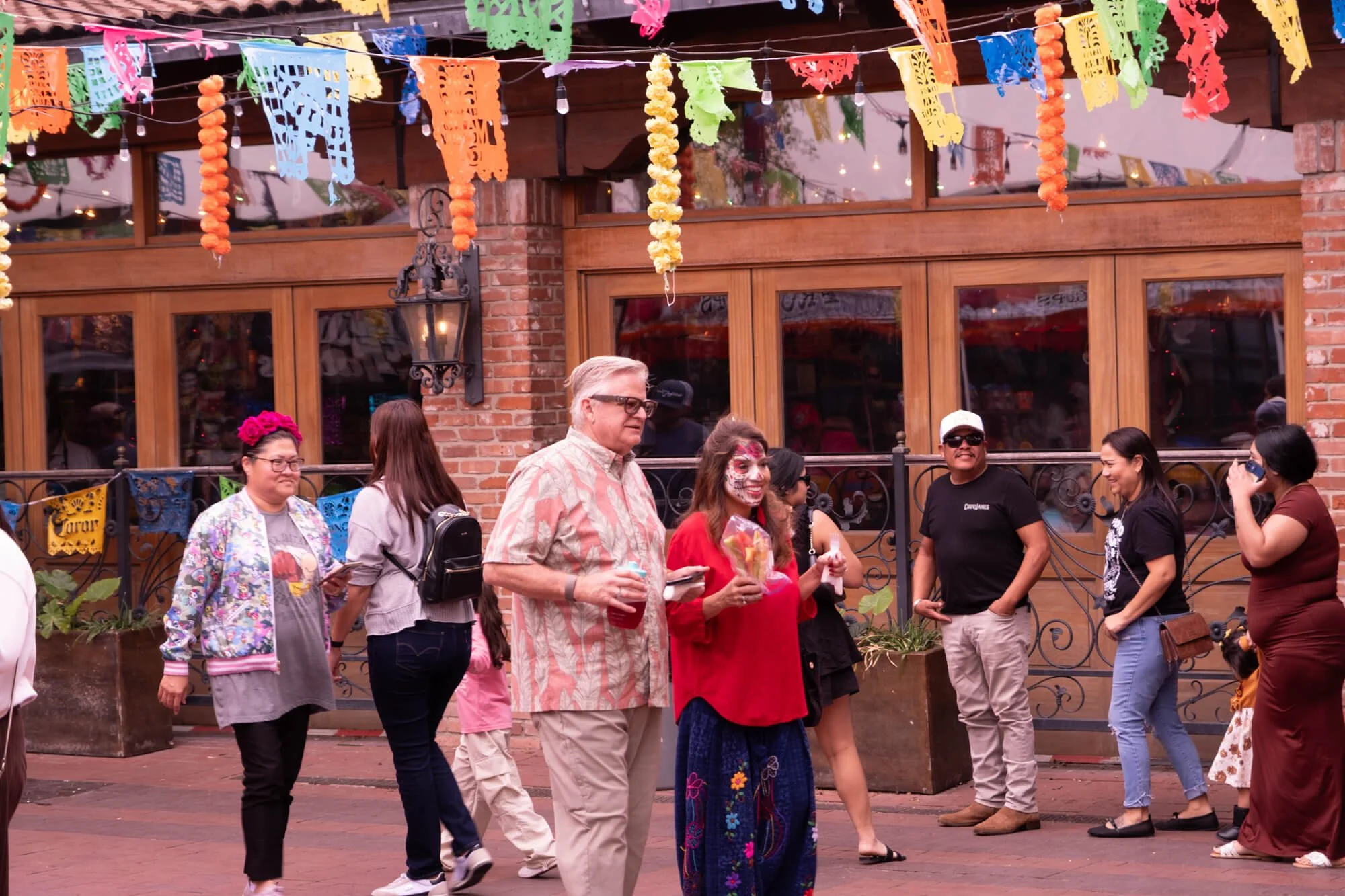
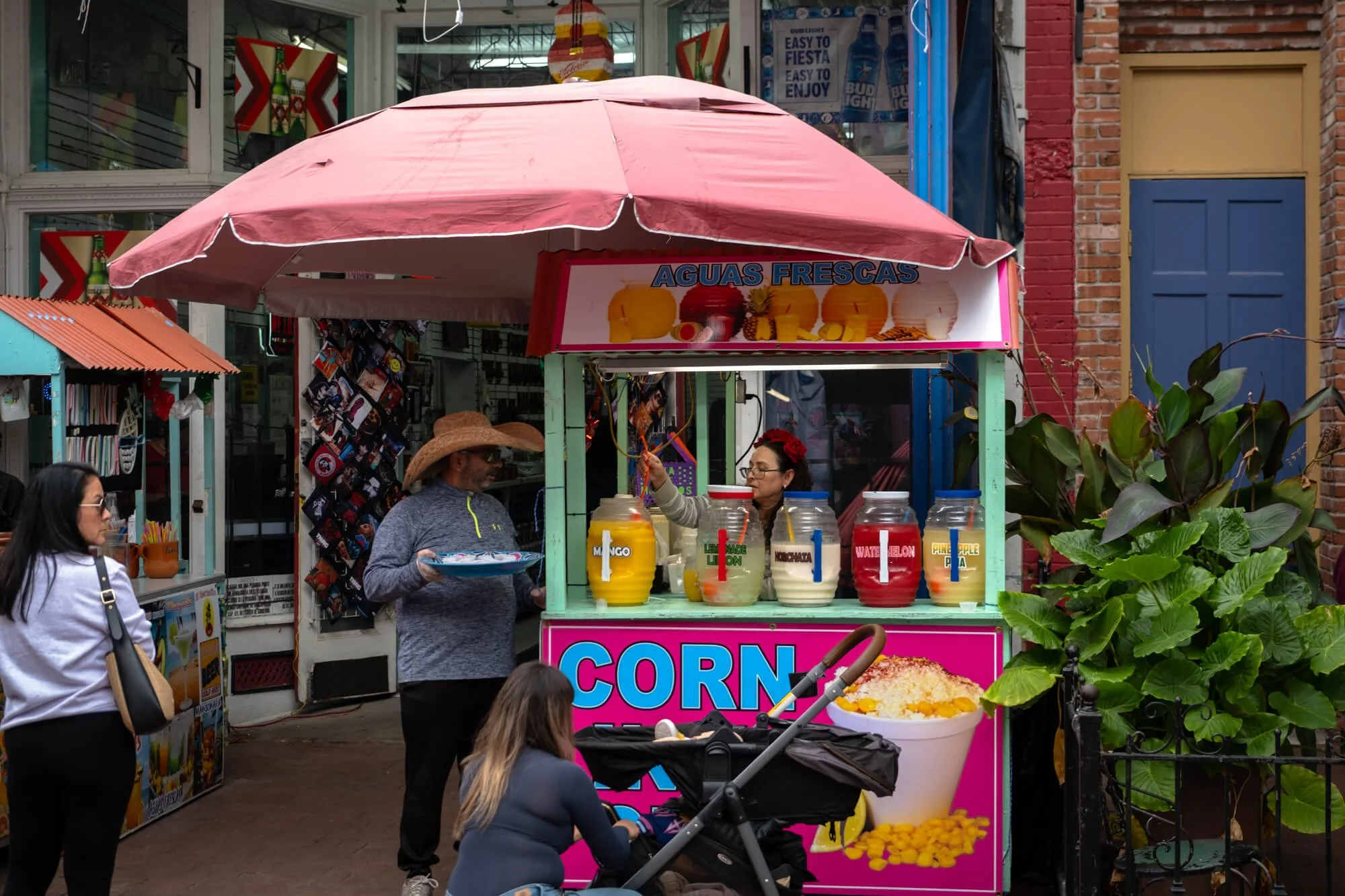
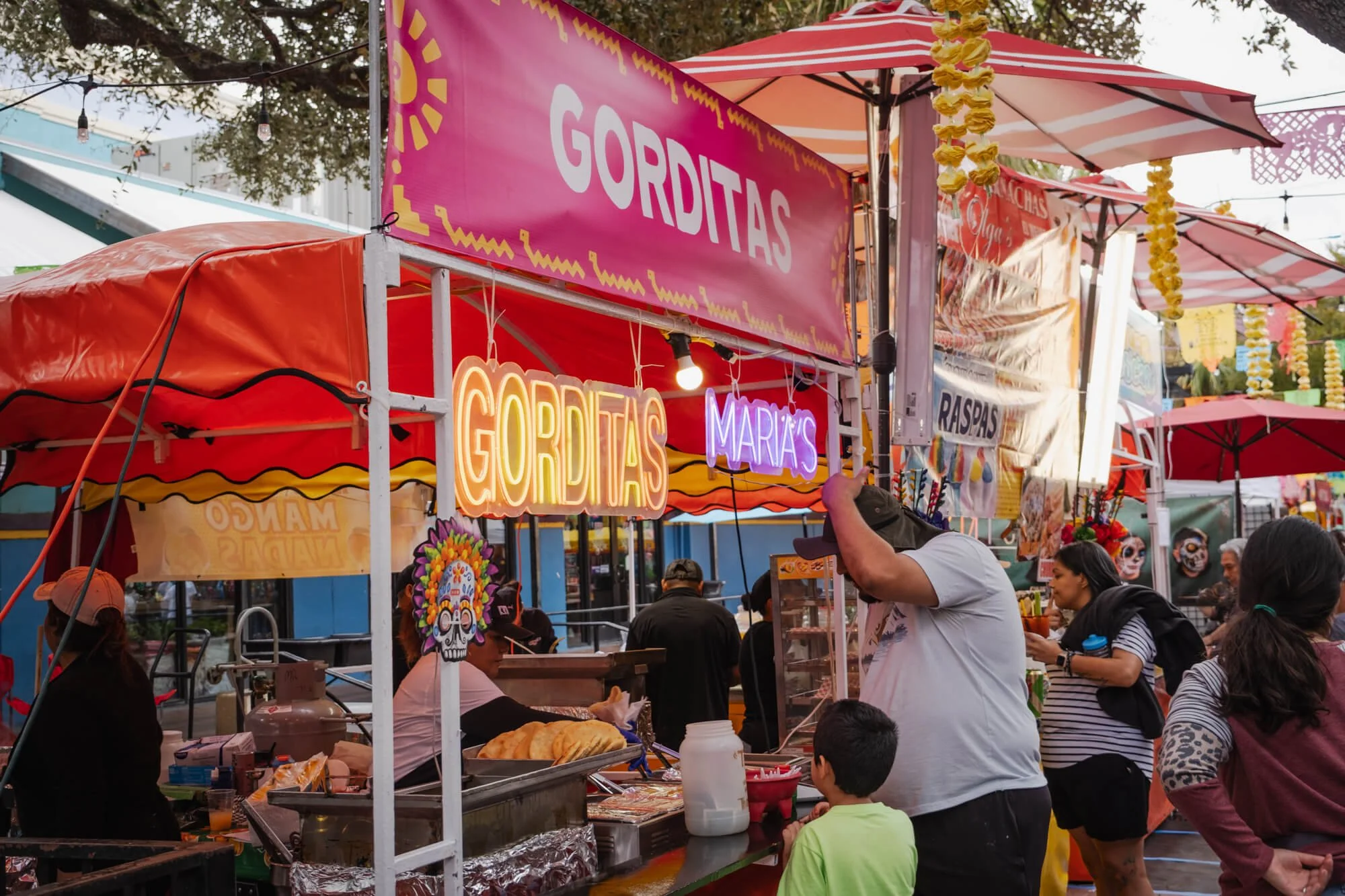
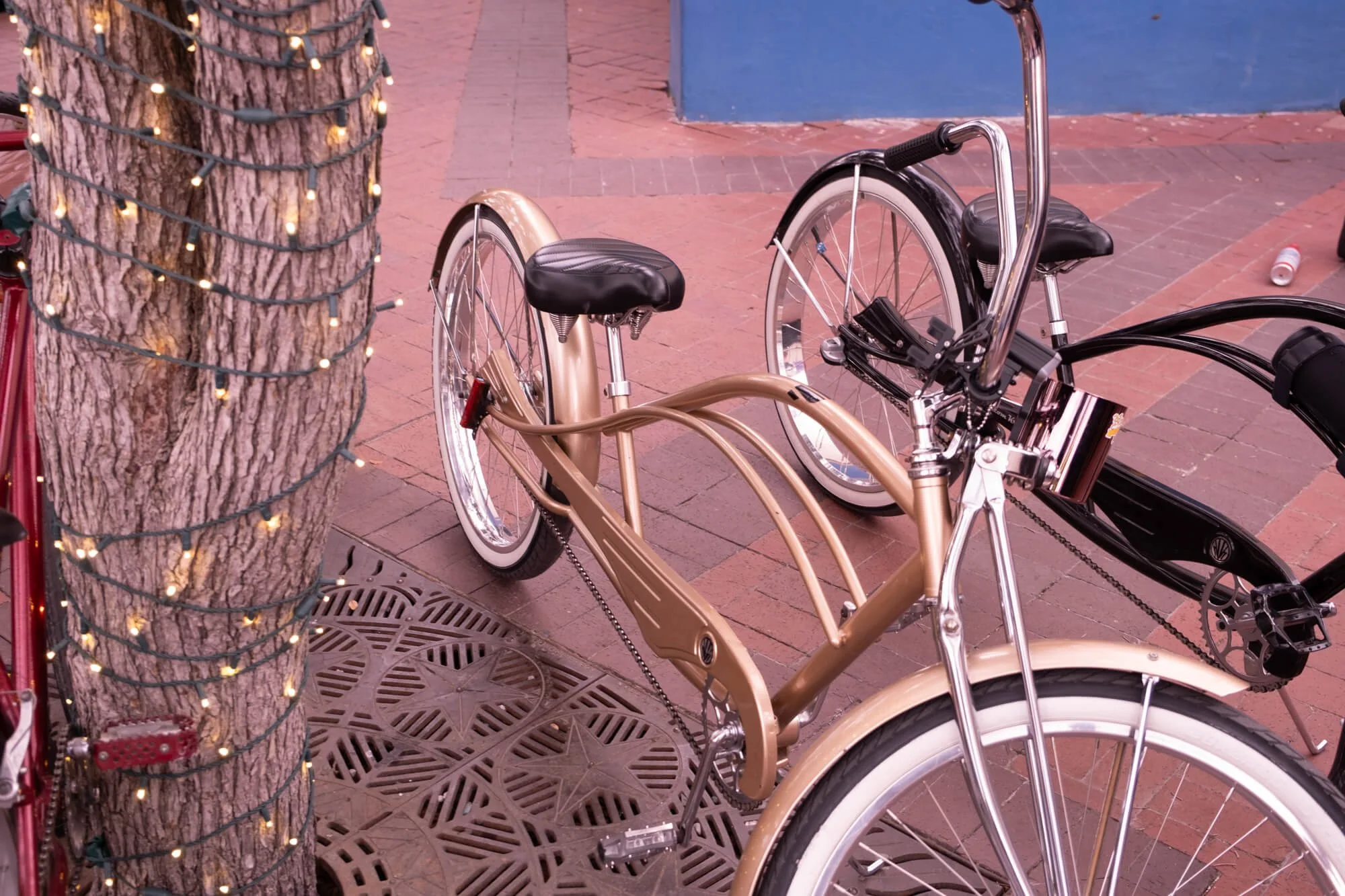
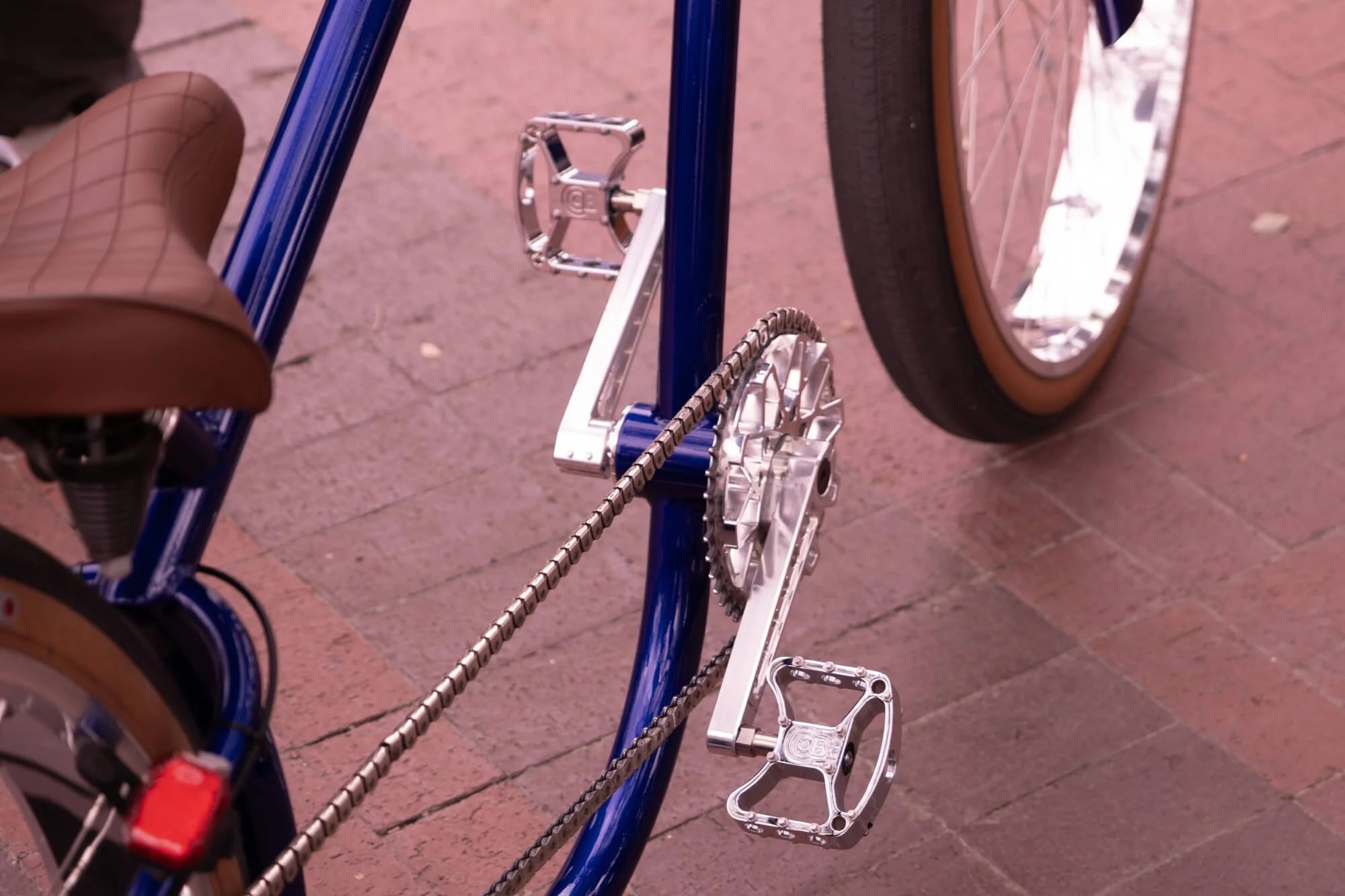
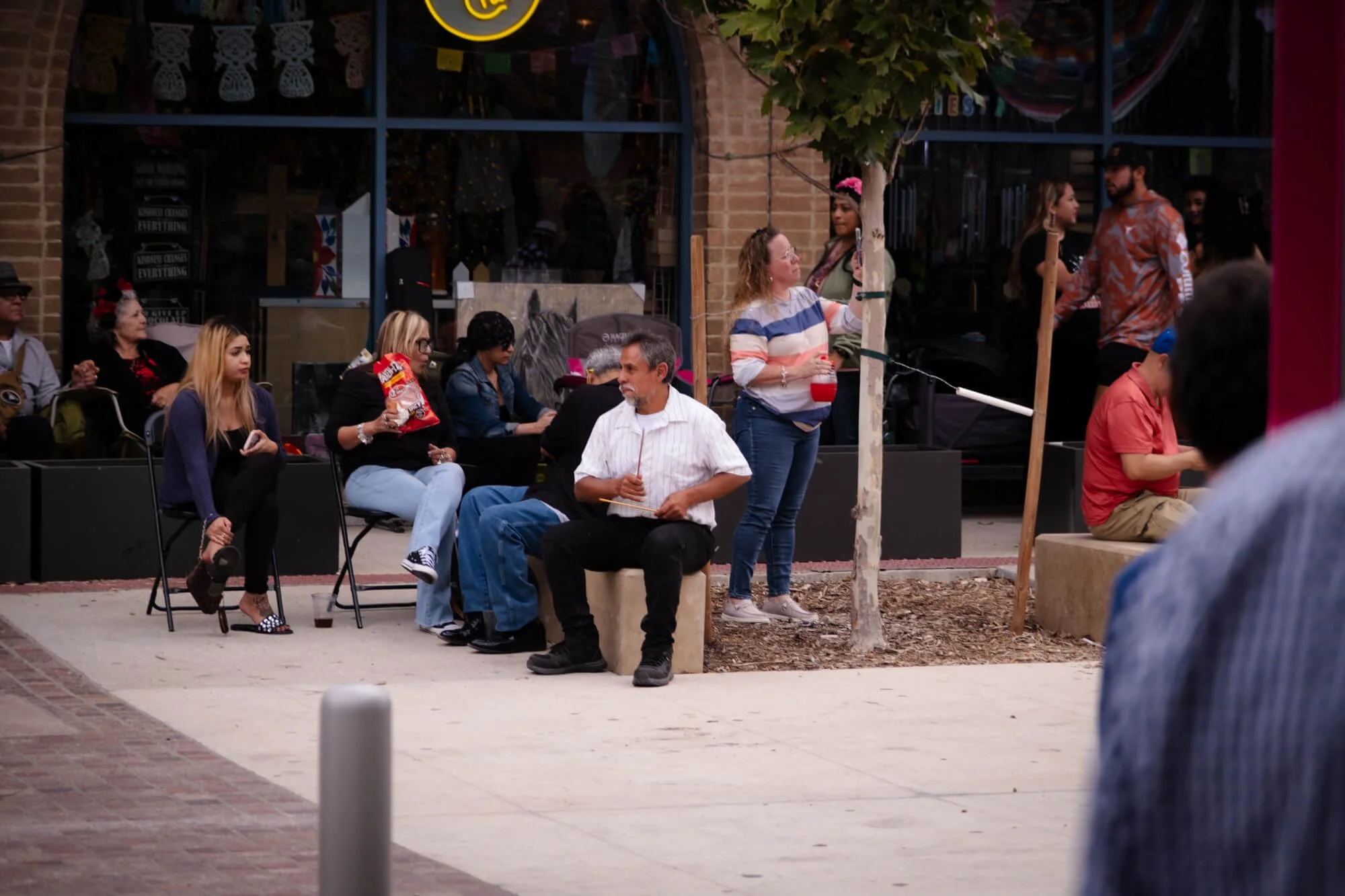
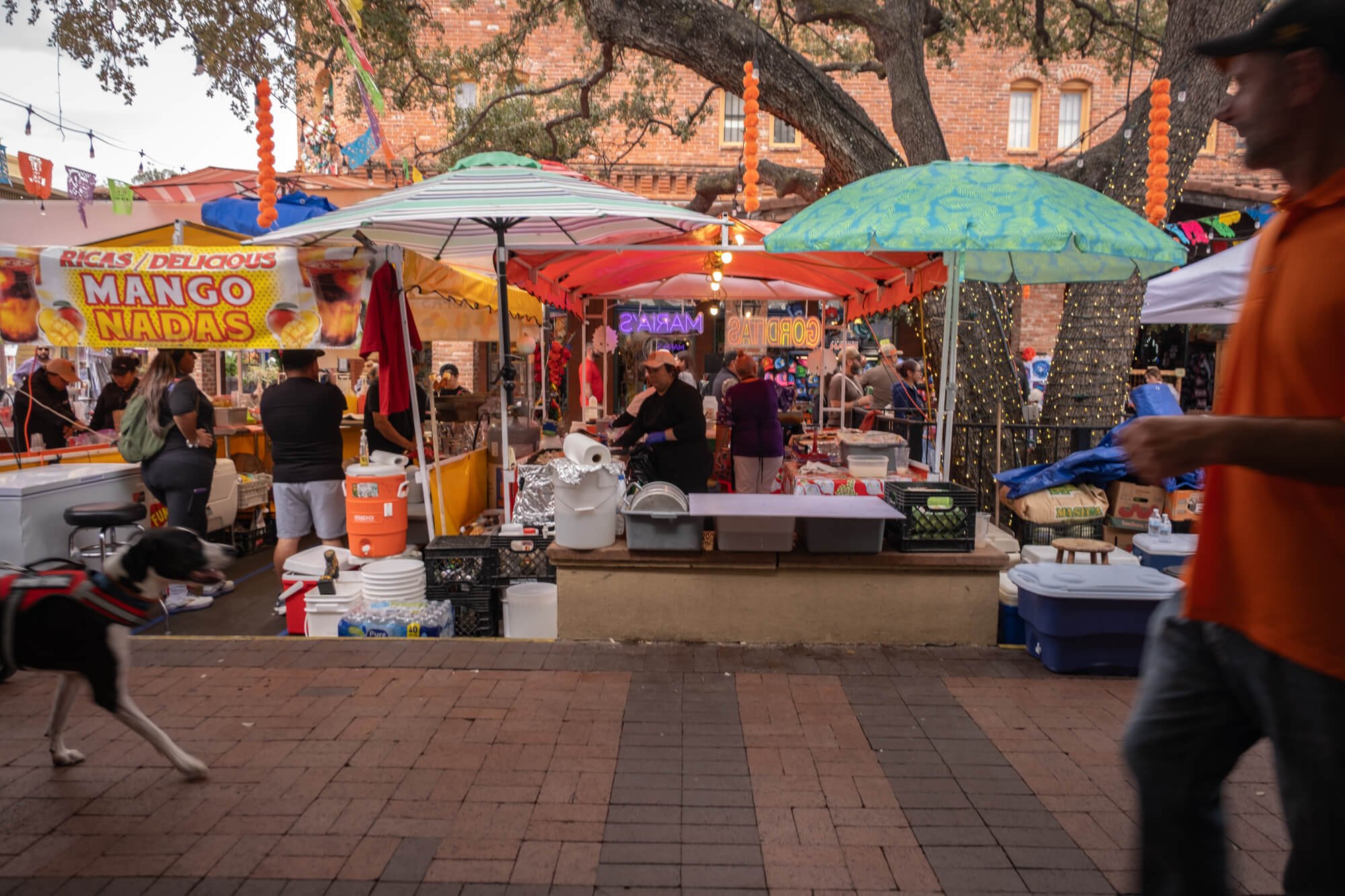
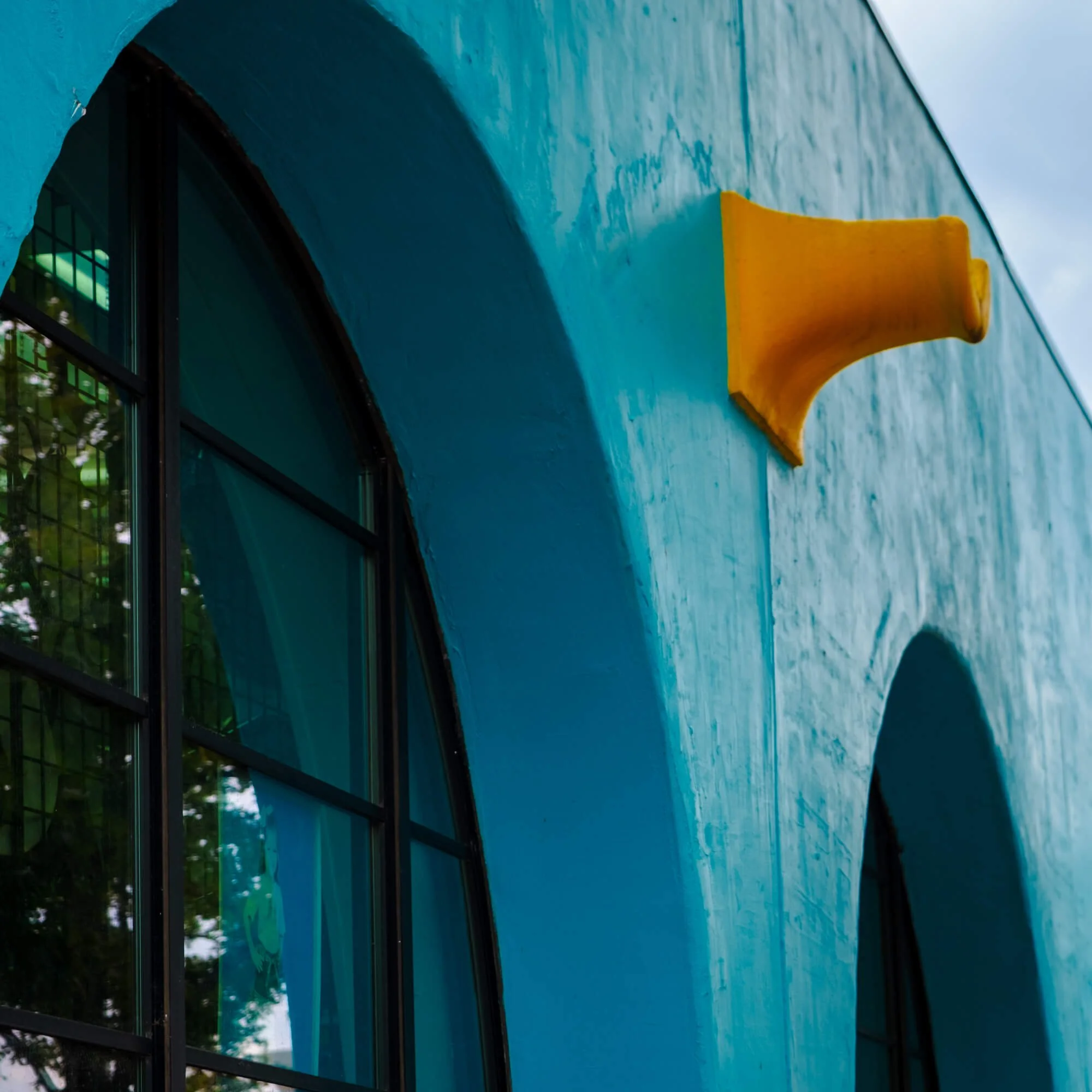
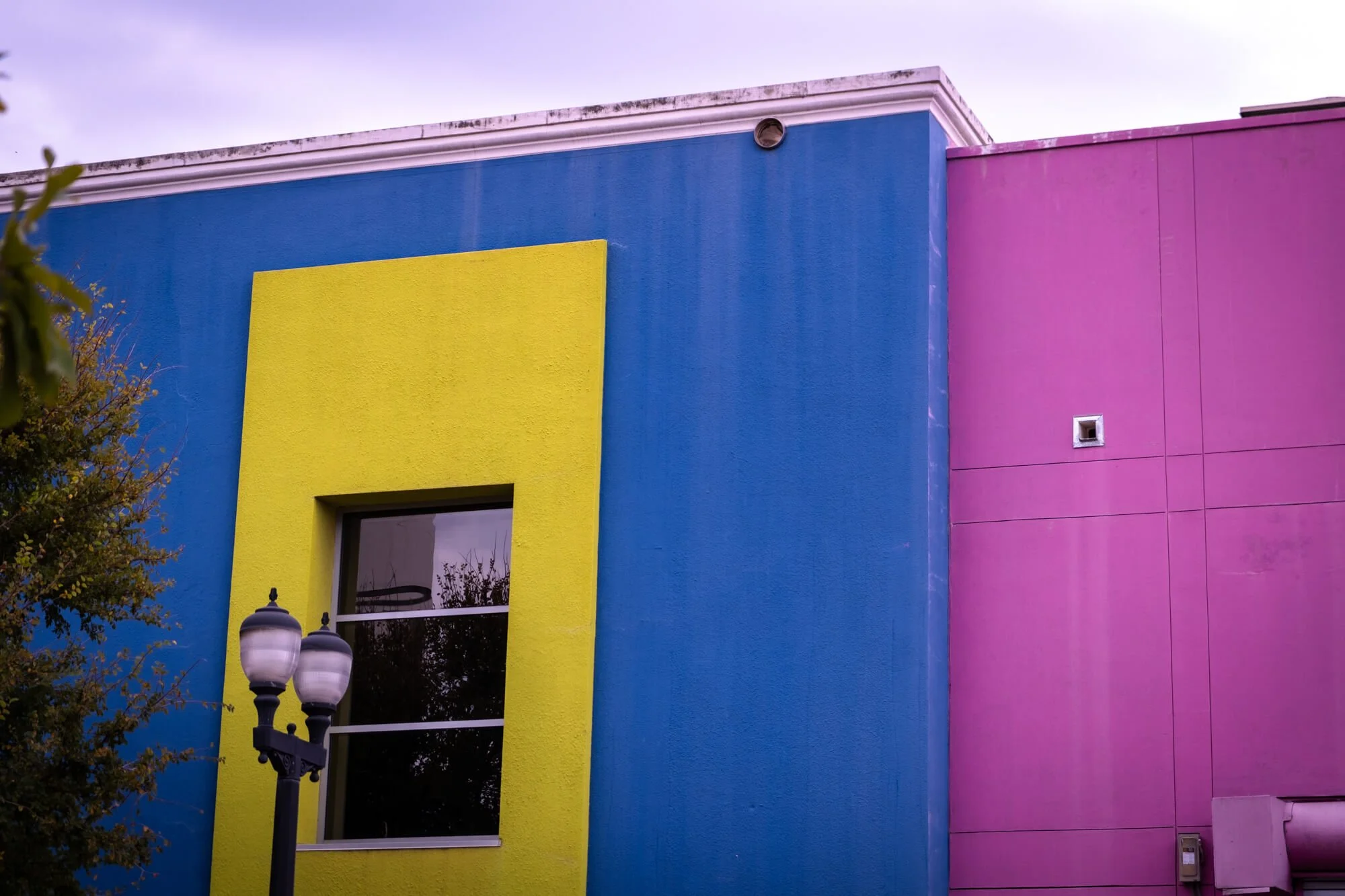
The following weekend, I attended the Calaveras de Azúcar Festival in San Antonio. It felt like a different kind of homecoming. Market Square was alive with marigolds, papel picado, candles, sugar skulls, and music. The air smelled like tortillas, incense, and something sweet—the joy of remembering that we are still alive. The buildings, painted in coral and turquoise and deep yellow, felt like the original color palette of my life growing up in South Texas. My very first taste of design was in highschool, in my architecture class, learning from a retired mexican architect who gave me hall passes to spend hours of my day reading about people like Ricardo Legoretta, Luis Ramiro Barragán, and Lina Bo Bardi.
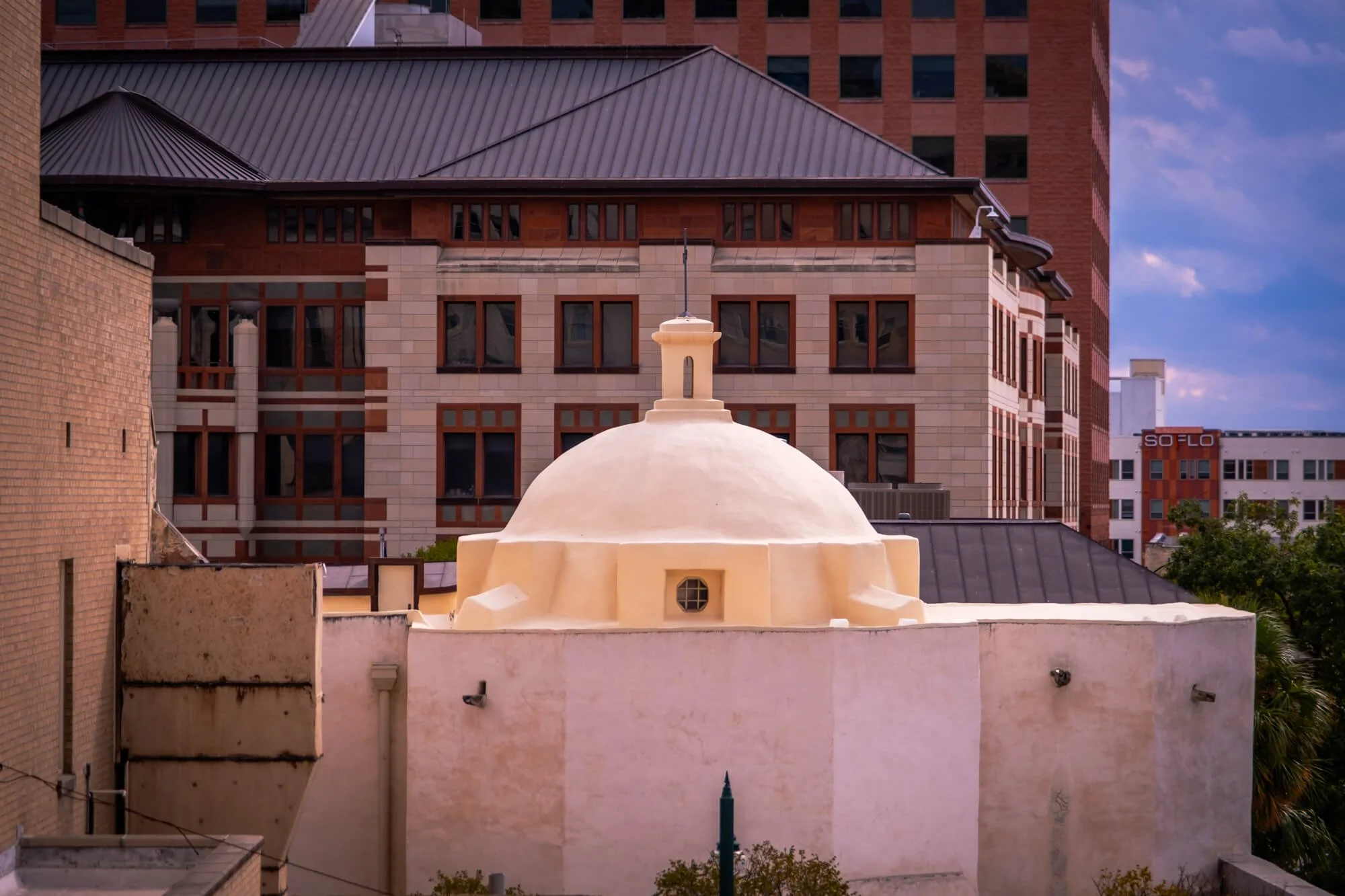
San Fernando Cathedral
Main Plaza, San Antonio, TX
29.4238° N, 98.4946° W
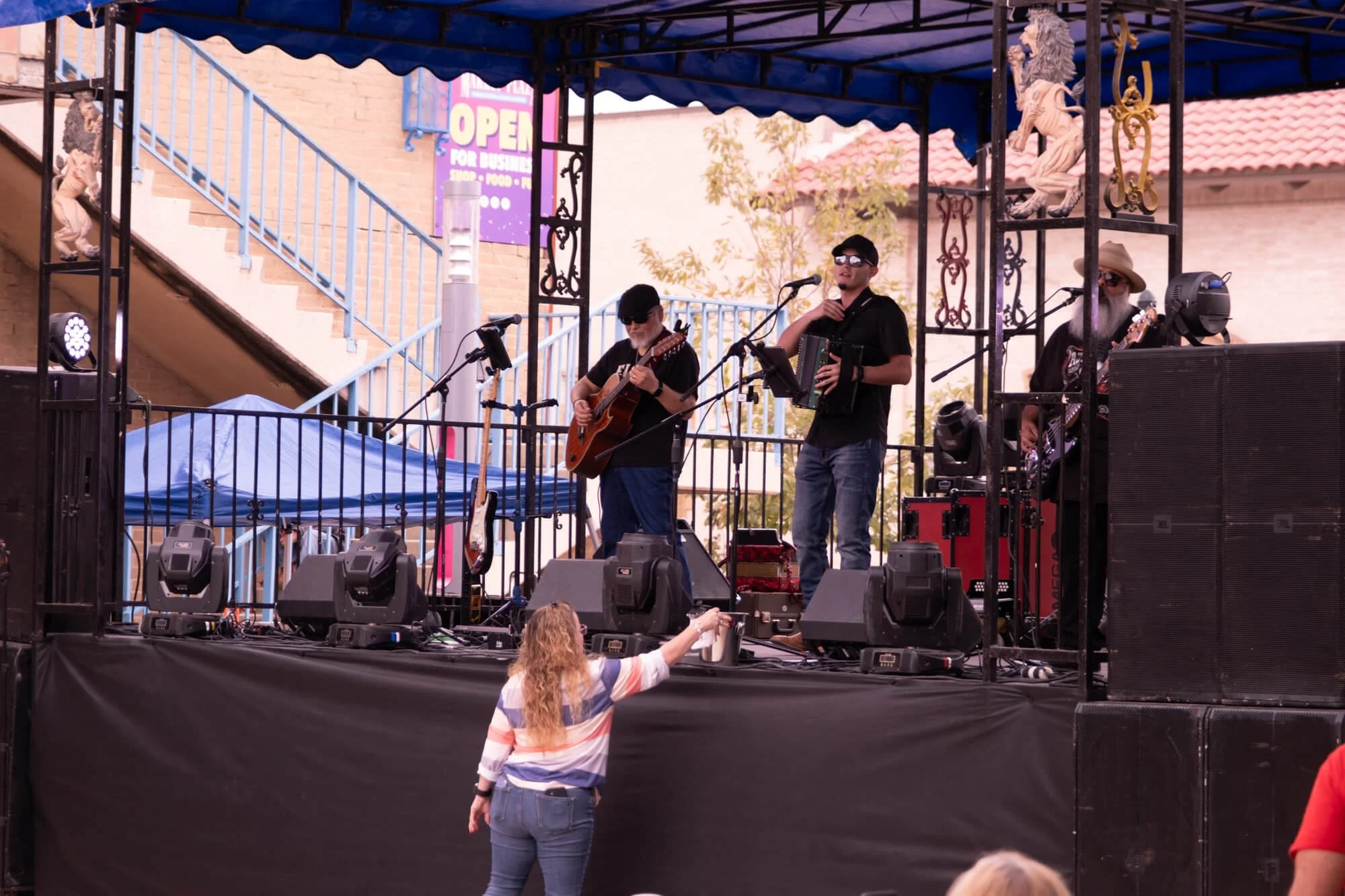
I watched a couple dance in the middle of the plaza while musicians played one of my favorite tejano tunes. A reverent accordion bellowed with joy. Their movements were slow, practiced, the kind that only comes from having chosen each other again and again over a lifetime. I filmed them quietly, wanting to remember the way their bodies spoke to each other without words. The anticipation of one another, and the space to catch up. Joy like that is not frivolous—it is everything. It is a way of remembering the dead and the living in equal measure.
Growing up in South Texas, this kind of color and culture was my first teacher. Somewhere along the way, I muted it. Tried on other identities, other aesthetics, other versions of myself that felt safer or more serious. Over time, and practice, and attention to what I love, I began incorporating more of this into my own practice. Today, my own work clearly draws from where I come from, using color as a medium to search for the spiritual center at my core.
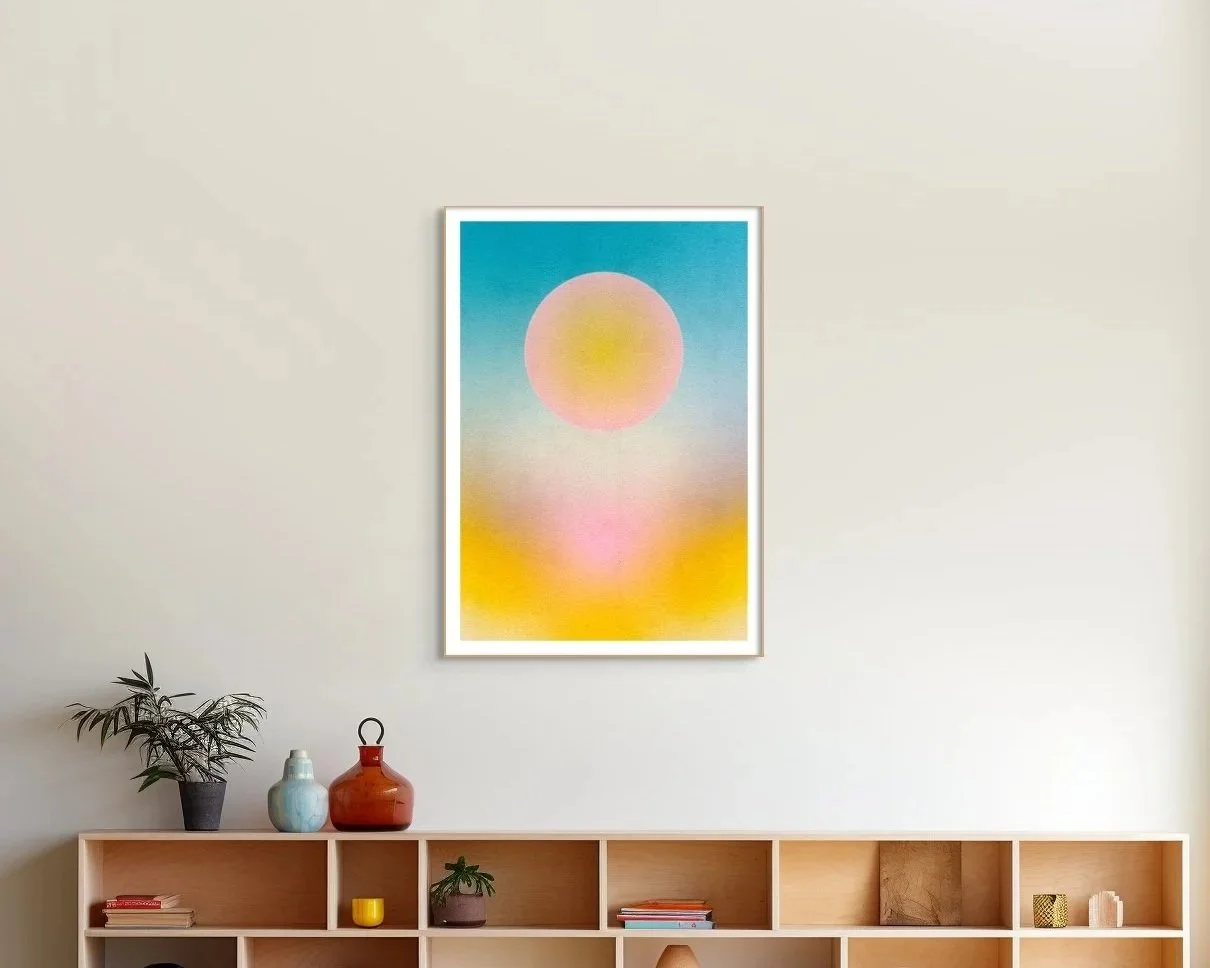
Infinite Hu No.5
Standing there, enveloped by Tejano music and language and laughter, I felt something old and true wake up again. I thought of the times on my drafting board with my old teacher from high school, listening to Paul Harvey and “the rest of the story”, while I sketched out cross sections of buildings and dreams of a better life. I wiped away a tear and took the remaining images of San Antonio as an ofrenda. I guess this is the rest of my story.

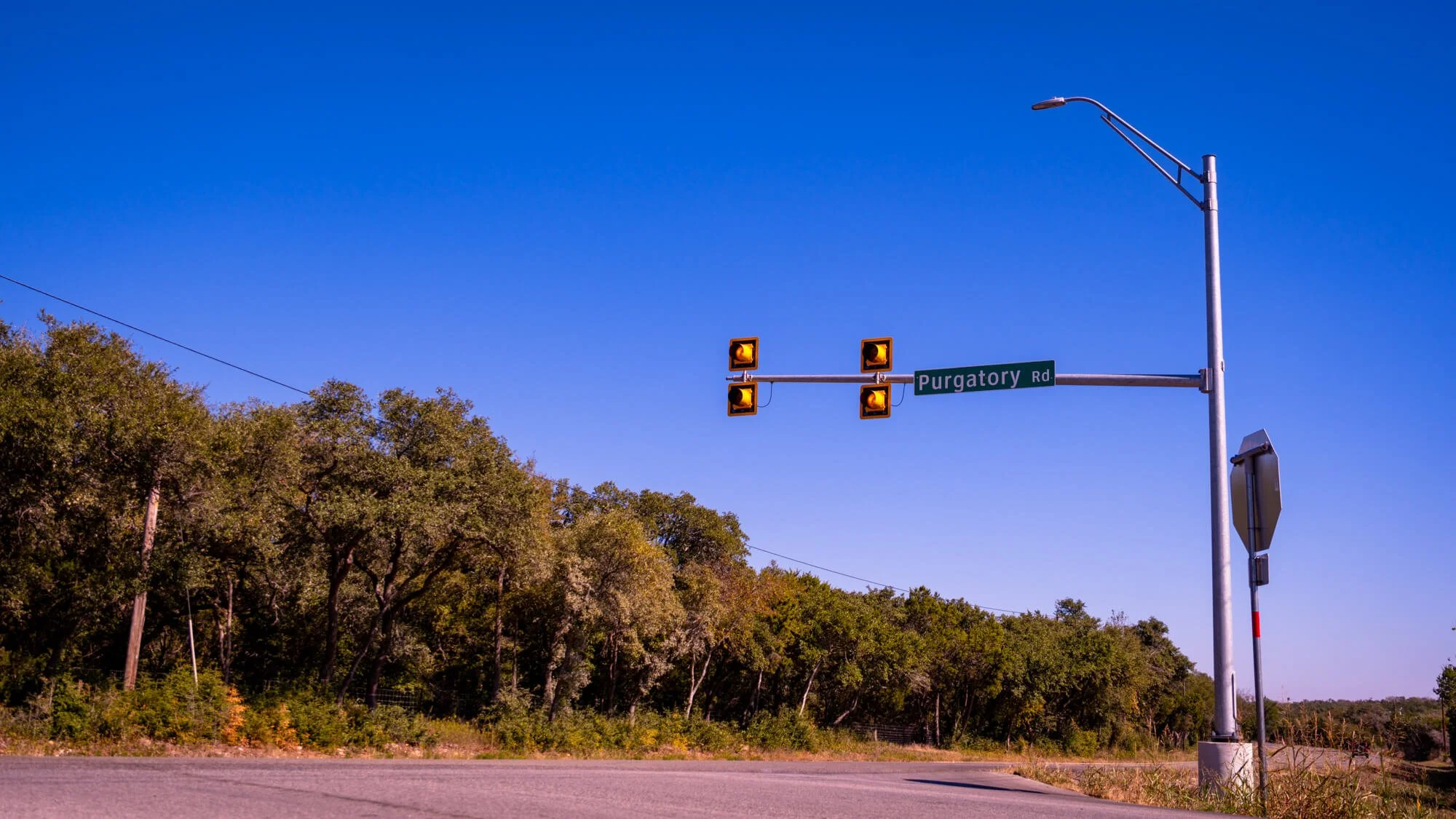
Purgatory Road
Texas Hill Country
29°50'18.6"N 98°09'27.4"W
Purgatory Road
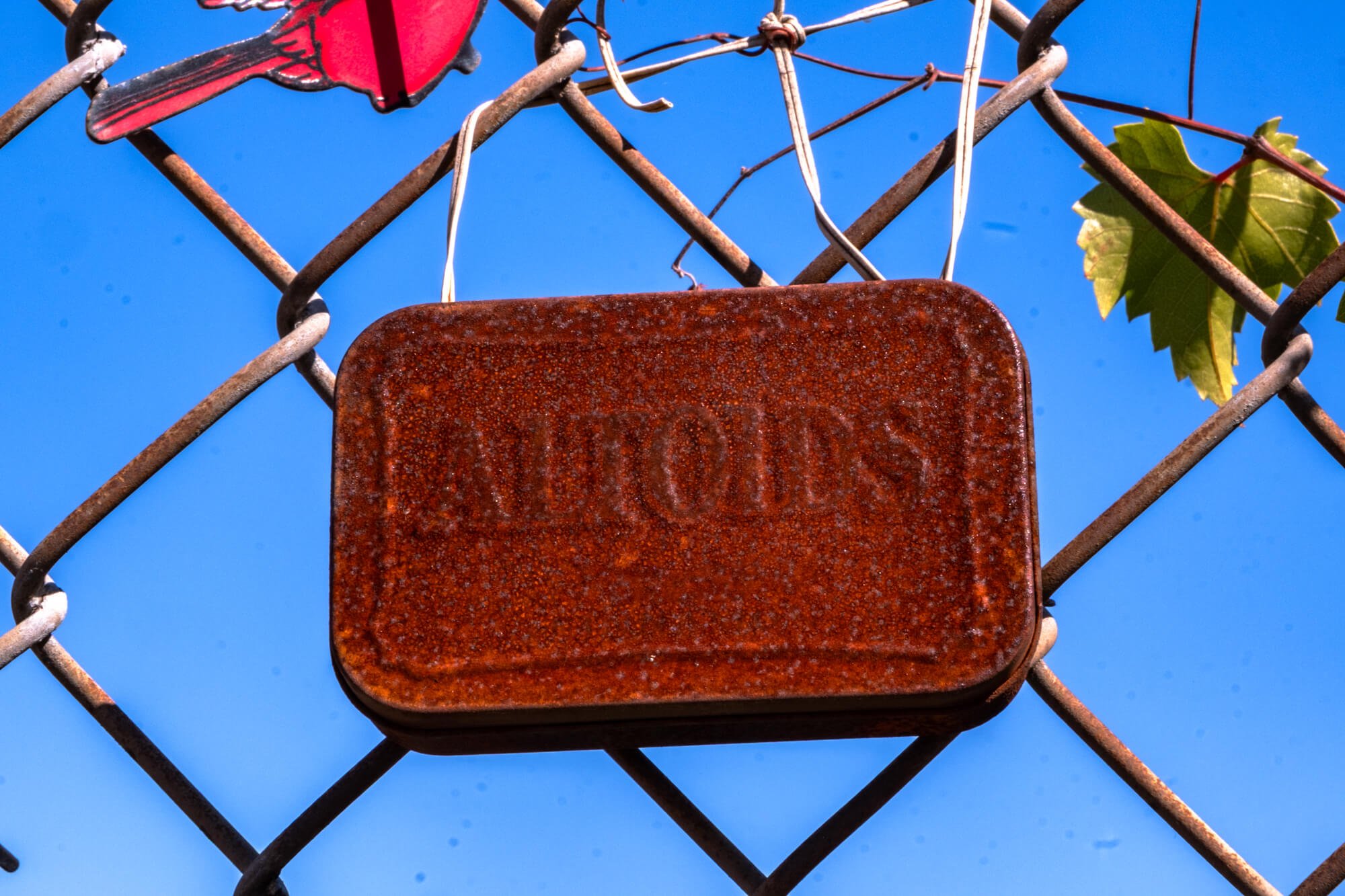
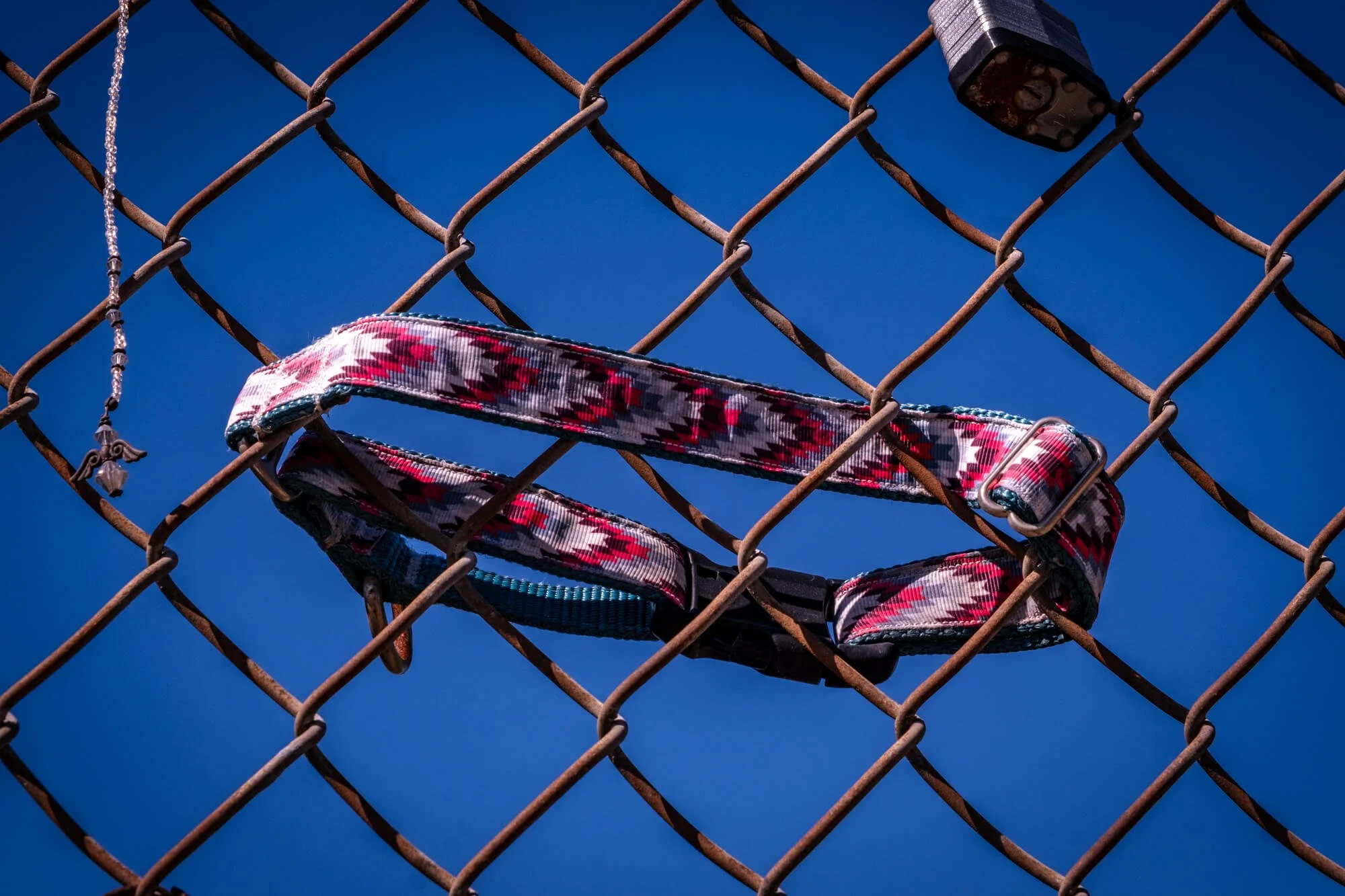
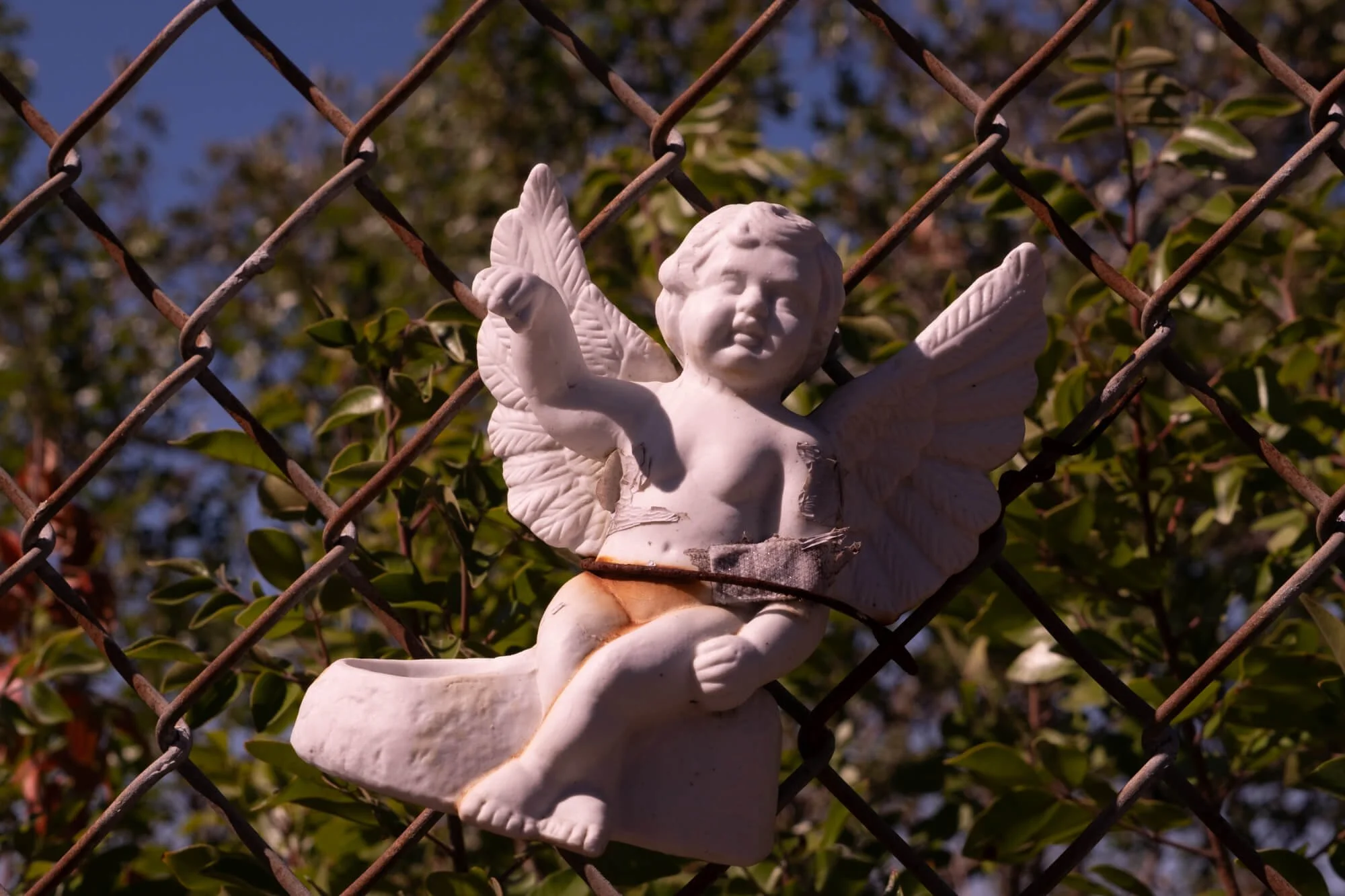
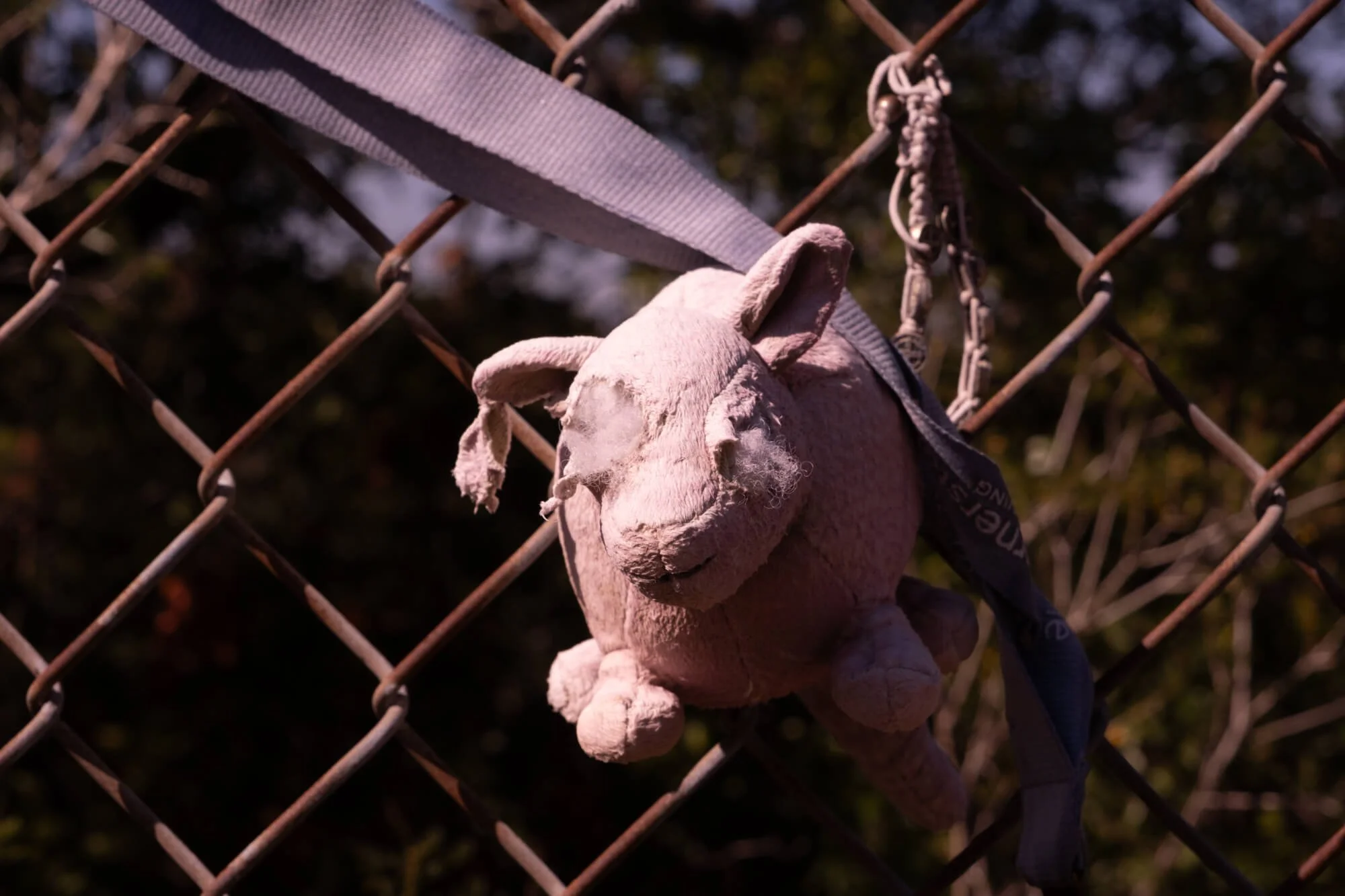
Over the coming days and weeks, I drifted through the Hill Country, visiting places that shaped me. Gruene, with its historic dance hall and stone and river I used to float as a kid, six-weeks old on my parents’ chests, wearing only a diaper and boots. Canyon Lake, where people tuck small memorials along the overlook at Devil’s Backbone. Crosses. Weathered wood. Names and dates facing the water. An ode to a loved pet. I hugged Judy, shed another tear, and left.
The sky out here feels enormous. The air is sharper, cleaner. The clouds rise tall and slow, like they are used to holding stories only Texans can concoct. I’m reminded of my conversation with a Mongolian art scholar on the podcast, describing the way the steppes and their endless sky shape how people there understand the world. Texas is similar. The land stretches you in ways you do not always notice until you leave.
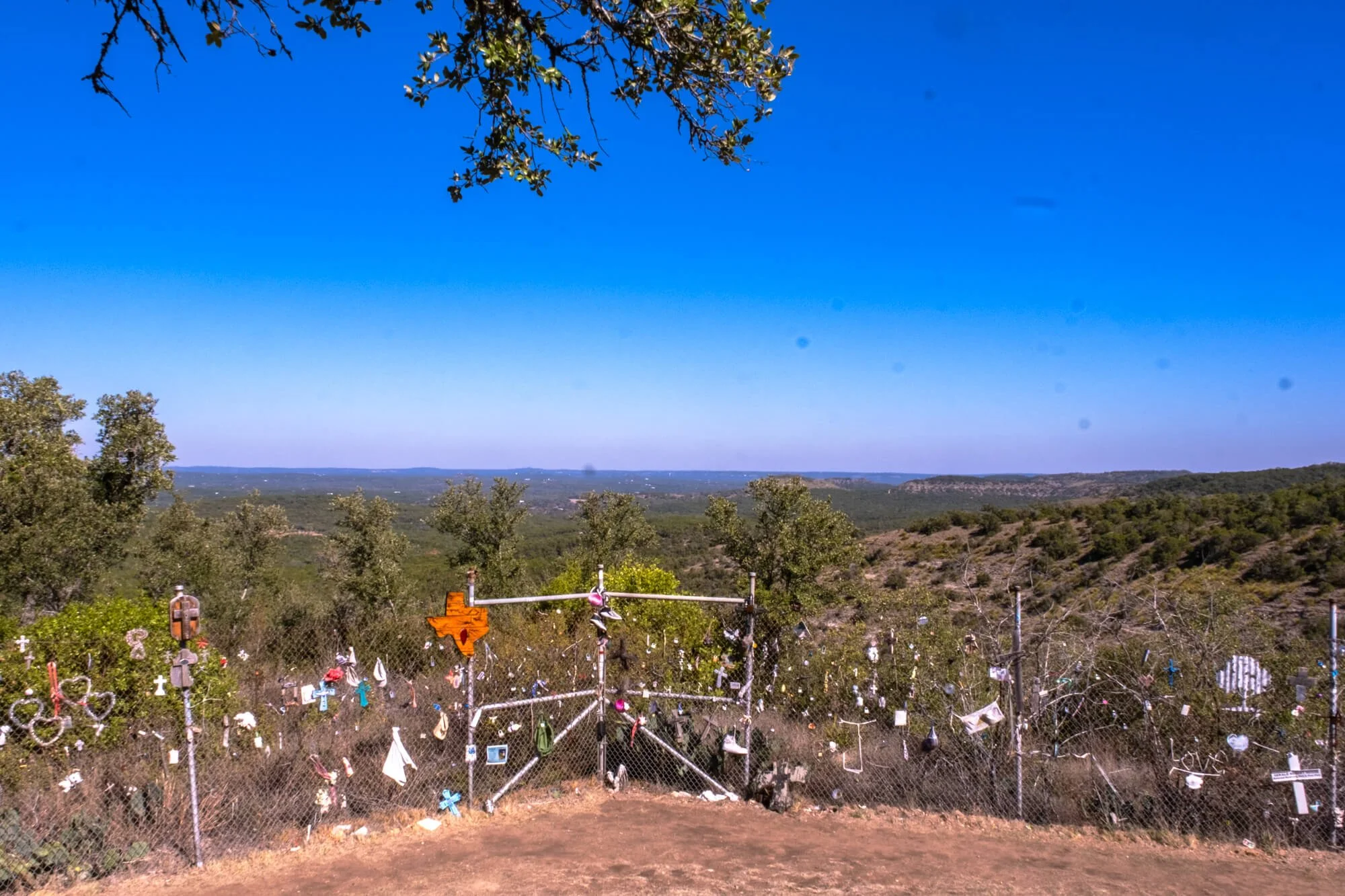
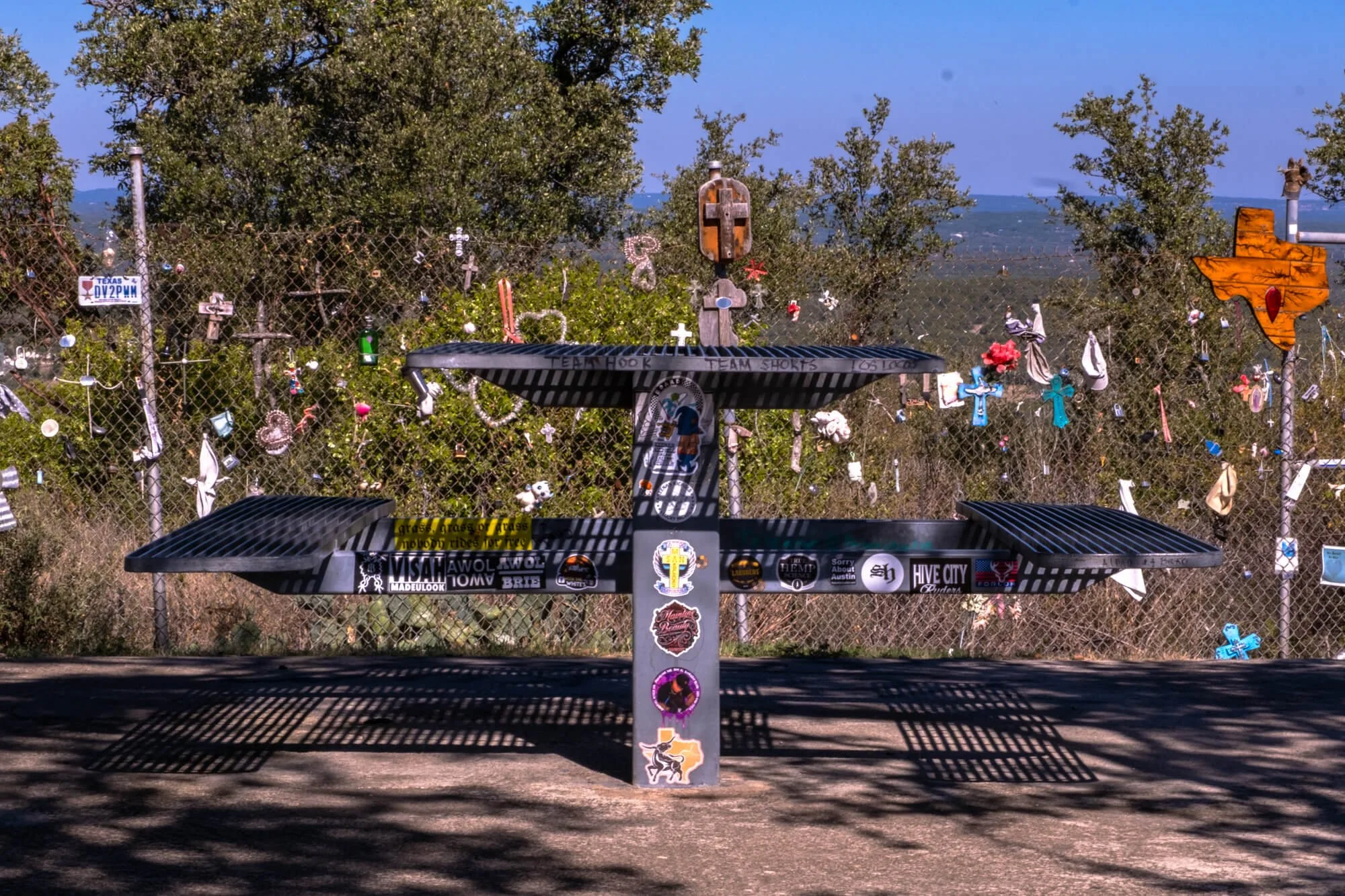
Devil’s Backbone Overlook
RR 32, Fischer, Texas
29°55'17.4"N 98°15'39.9"W
A lot has changed since I left this land. New subdivisions cut into hills that used to feel wild. More traffic. More people. More money. There are double decker freeways going up from San Antonio all the way to Austin. They bring with them chain restaurants, parking lots, and homogeneity. A sort of purgatory before hell. The more I travel through the world, the more I see how capitalism strips people of their culture, conforming everything to the same tired blueprint of convenience and consumption. I ache for a world free from this kind of branding and design. The fearfull parts of me loathe it. And though I resist this sort of hellscape, part of me understands that nothing stays untouched forever. We all change, we all die. The Hill Country is learning, like so many places, how to carry both its history and its growth. For now, it is unbridled and messy.
The Fragility of Sameness
Ecology and economics agree that monocultures collapse under the weight of their own efficiency. Diversity — of crops, ideas, and cultures — creates resilience. Strip a landscape down to one thing and it grows fast, then dies faster.
“Diversity is a source of stability.”

The Many-Sided Heart of God
One Sunday, I offered to take my mother to Mass at the Mission of Divine Mercy. Without ever asking for a single donation, they now inhabit 300 acres along a valley north of the city where a tall crucifix sits atop a hillside overlooking the buildings on the property.
In February 2024, the Mission of Divine Mercy began sharing a series of messages on its website that were said to come from “God the Father” through a member of the community. These messages claimed that Pope Francis was a usurper and an enemy of the Church who was allowing harmful spiritual influences to enter the sanctuary. The Archbishop of San Antonio, Gustavo García-Siller, stated that the mission had been asked several times to remove the messages and refused. According to the Archdiocese, this refusal broke their vow of obedience. In response, the Archbishop issued a set of decrees that removed their ability to exercise public ministry in the archdiocese and withdrew the Mission’s standing as an approved Catholic apostolate and private association.
The Mission of Divine Mercy continues to operate as an independent entity, maintaining that its obedience to God supersedes obedience to a Church hierarchy it believes has been compromised. The archdiocese, for its part, has stated it cannot allow the "confusion and grave scandal" caused by the mission's claims to continue within its jurisdiction.
After mass, I meet with Father John Mary to say hello. The last time we spoke was on the property along Hueco Springs Rd. I admire the Sacred Heart embroidered into his sacral vestments. The flame, the radiance, the thorns circling a human heart. It reminded me of the winged heart in Sufi tradition, where two small wings rise from a central heart to show the balance between spirit and matter, heaven and earth. Different histories, different languages, same idea.
It struck me how often spiritual lineages arrive at this image: a heart opened, softened, set alight. Christians have the Sacred Heart. Sufis have the winged heart. Buddhists speak of the awakened heart of compassion. Hindus place a lotus at the center of the chest. Many Indigenous traditions describe the heart as the place of knowing, the place where truth, intuition, and relational belonging take root. Different paths, same center. The real work is not belief. The real work is the condition of the heart you bring to the world.
During my first year in Chicago studying at Loyola, I met a cab driver wrapped in a thawb. Picking me up from a Jesuit university, we ended up talking about religion. I mentioned that I had been reading about the teachings of the Prophet Muhammad and the term jihad. His head lifted just slightly to meet my eyes in the rearview mirror when I said I’d heard that “the greatest jihad is of the heart.” His eyes softened, then filled. We circled the city for the next hour talking about love as the center of a life well lived. How the real struggle is always inward. How easily people mistake that word for violence instead of transformation. And how quickly the heart hardens when we see one another as strangers, as “other,” instead of kin. I am my brother’s keeper.
The word jihad derives from the Arabic root j-h-d, which means “to strive,” “to exert effort,” or “to struggle.” In classical Islamic thought, the term encompasses a wide range of efforts—from social and ethical responsibility to the inward struggle for integrity. Many early scholars and Sufi teachers emphasized al-jihad al-akbar, “the greater jihad,” understood as the lifelong work of confronting one’s ego, fears, and impulses—what I call, The Infinite Search. While modern political narratives often distort the term, its earliest and most enduring meaning points inward: the struggle of the heart toward truth and goodness.
“The greatest jihad is the struggle of the heart.”

Somewhere Along the Way
Collage, 2025
Homeward Bound
Home is showing up differently than I expected.
I used to think home was a house, a city, a set of relationships that would eventually come around if we did enough work. Now I am starting to see it less as a destination and more as a way of moving through the world. Home is how you walk. How you listen. How you tell the truth about what hurts without letting it swallow you. How you open your heart along the way.
I spent a long time trying to quell the Texan parts of myself that concerned me. The bravado. The toughness for its own sake. The pressure to look fine when everything was falling apart. But there are other threads I dare not deny. The directness. The warmth. The grit. The love of open skies that stretch farther than your fear can fathom. Coming back again, I see that both sets of traits are woven into me. I can question the myths this place tells about itself and still keep the pieces that feel true.
Some of the family I dreamed of will never exist. I may never have the kind of fraternal relationship I’ve always longed for, where we call each other for advice or wander new places just to see what’s there. My mother may never be able to step fully out of her own pain and see me clearly, her fear and denial of my queerness painfully confirmed that. But I am learning to let the hurt be honest without letting it define me.
“There is a crack, a crack in everything. That’s how the light gets in.”
I can release the guilt I carried for 13 years of no contact. I can see now that I did what I needed to survive. Survival is not selfish. It is sacred. From that place, I can see the family I am building. The community that grows from my writing and travels. The people like you who have entered my orbit on this Infinite Search for a life well lived.
Today, I feel the pull of the road carrying me west, toward another sky and another set of questions. I will leave Texas again before long. New Mexico waits in January: The Very Large Array, The Center for Contemplation and Action, the artists' colonies of Taos and Santa Fe, and the badlands labyrinth of the Bisti / De-Na-Zin Wilderness.
Somewhere along the way, I stopped trying to become someone new and started remembering who I already was. A happy kid with a big ol’ open heart. Somewhere along the way, the land I ran from began to feel less like a wound and more like a teacher. Somewhere along the way, the road home became the road forward.
And in this subtle shift of language, I understand something now: we are always homeward bound. Bound by the places that shaped us. Bound for the places that will open us next. Somewhere along the way, is the ground I learn to call home.
You are loved: If you or someone you know is living through family trauma, abuse, or thoughts of self-harm, please reach out for help. In the United States, call or text 988 to connect with the Suicide & Crisis Lifeline for immediate support. If you’re outside the U.S., please contact your local emergency or mental health resources.